

 Facebook
 X
X
 Pinterest
 Copy Link
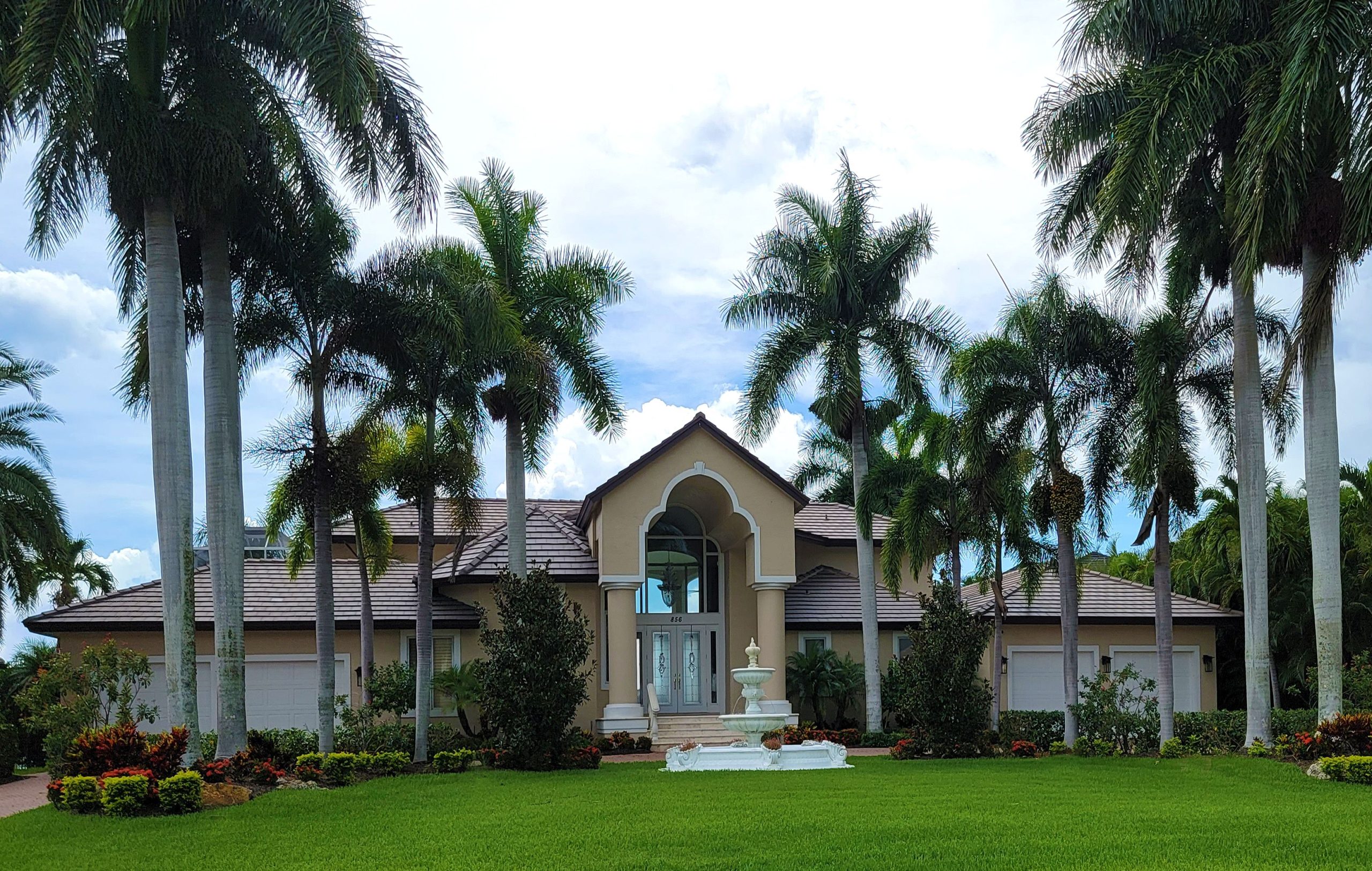
Most sellers assume interest rates are the buyer’s problem. They’re not. When rates sit higher than buyers have grown used to, they change how much a buyer is willing to pay — which makes rates very much your problem as a seller. The reassuring part: a luxury home priced and positioned for today’s market still sells well. The homes that sit are the ones priced as if rates never moved.
Think of two nearly identical homes on the same street. One sells; one lingers. Often, the difference isn’t the house — it’s whether the price was built for the buyer who’s actually shopping right now.
Why interest rates are a seller’s problem, not just a buyer’s
Buyers set the ceiling on your price. When their cost of borrowing rises, the budget that supports a given monthly payment shrinks — so the same buyer who could comfortably reach a number last year may look at it differently today.
This does not mean your home is worth less. It means the pool of buyers is pricing more carefully, and the way your home is presented and positioned matters more than it did in an easy market. Get that right, and rates become a detail rather than an obstacle.
When rates rise, buyers stop shopping for a price and start shopping for a payment
In a higher-rate market, serious buyers stop reacting to the sticker price and start doing the full math. They fold in everything it costs to own the home, not just the mortgage:
- The monthly payment, not just the purchase price
- Florida homeowners and flood insurance, which buyers scrutinize closely now
- Property taxes recalculated at the new purchase price
- The cost of any repairs or updates the home will need
When all of that is folded in, a home priced for a friendlier rate environment can quietly fall out of a buyer’s range — even if it looks right on paper. The buyer rarely tells you. They simply move on to the home that was priced for today.
Why many luxury buyers feel the rate environment less
At the top of the market, a large share of buyers aren’t funding the purchase with a standard Florida mortgage — so the local rate isn’t the lever that sets their budget. This is especially true of the buyers relocating from the Northeast and Canada. Some sell a high-value home up north and roll that equity straight into their St. Petersburg purchase. Others keep the northern property and borrow against the equity they’ve built there. Either way, the number that decides what they’ll spend is tied to a stronger northern market, not to today’s Florida mortgage rate.
That doesn’t make rates irrelevant. Even a buyer spending equity compares your home against every alternative and weighs what their money could do elsewhere, so in a higher-rate market they tend to be more patient and more comparison-driven. But it does mean a large, motivated group of luxury buyers is insulated from the rate pressure that slows the broader market. The question isn’t whether they can afford your home. It’s whether your home is the one they choose — and that comes down to positioning, which is squarely in your control.
A real-world example
Picture two comparable waterfront homes listed on the same street within weeks of each other. One is priced to last year’s sales and left to “see what happens.” The other is priced and presented for the buyer shopping today.
The first draws light interest, sits, and eventually takes a price cut — often landing lower than it would have if it had been priced correctly on day one, because a listing that lingers starts to raise questions in buyers’ minds. The second attracts the serious buyer early, while the home still feels fresh. Same street, similar homes, very different outcomes — decided by strategy, not by the market.
Common mistakes luxury sellers make in a higher-rate market
- Pricing to last year’s comparable sales instead of how buyers are behaving today
- Assuming an exceptional home is immune to the rate environment
- Waiting to “see what happens,” and letting the listing go stale in the process
- Overlooking the carrying costs — insurance and taxes — that today’s buyers examine closely
How we price and position instead
We price to the buyer most likely to pay the most in the current market, then position the home so that buyer sees it early and takes it seriously — never to an automated figure, since online home value estimates miss most of what drives a luxury home’s value. That often means reaching beyond the local pool.
After 25 years selling luxury from Manhattan and Montréal to Tampa Bay, many of our buyers come from our New York and Canadian network — relocating, buying a second home on the water, and funding the purchase from the sale of a northern home or the equity they’ve built in it rather than a new Florida mortgage. Those buyers are less sensitive to the local rate environment and widen the field of people competing for your home. Pricing a luxury home in any market isn’t really about the rate. It’s about positioning — matching the right home to the right buyer, wherever that buyer happens to live.
Frequently asked questions
Do interest rates really affect home sellers, or just buyers?
Both. Rates shape what buyers are willing and able to pay, which shapes how your home should be priced and positioned. A seller who treats rates as “the buyer’s problem” tends to overprice and sit.
Should I wait to sell until rates come down?
No one can reliably predict where rates go, so timing the market is a guess, not a strategy. It’s also worth remembering that when rates fall, more sellers list — which means more competition for the same buyers. The better question is whether selling now fits your goals. If it does, the right price and positioning matter far more than the rate.
Are out-of-market buyers less affected by interest rates?
Often, yes. Many buyers relocating from the Northeast and Canada fund their purchase from the sale of a home up north, or by leveraging the equity they’ve built in it, rather than taking a new Florida mortgage. That ties their budget to a stronger northern market rather than to today’s local rate — which is one reason reaching those buyers matters so much in a higher-rate environment.
Your next step
Before you price your home to a market that has already moved, get a strategy built for the buyers shopping today. Reach out to the Floulis Sisters for a private consultation on pricing and positioning your St. Petersburg luxury or waterfront home, and we’ll show you exactly where it should sit in this market.
