

 Facebook
 X
X
 Pinterest
 Copy Link
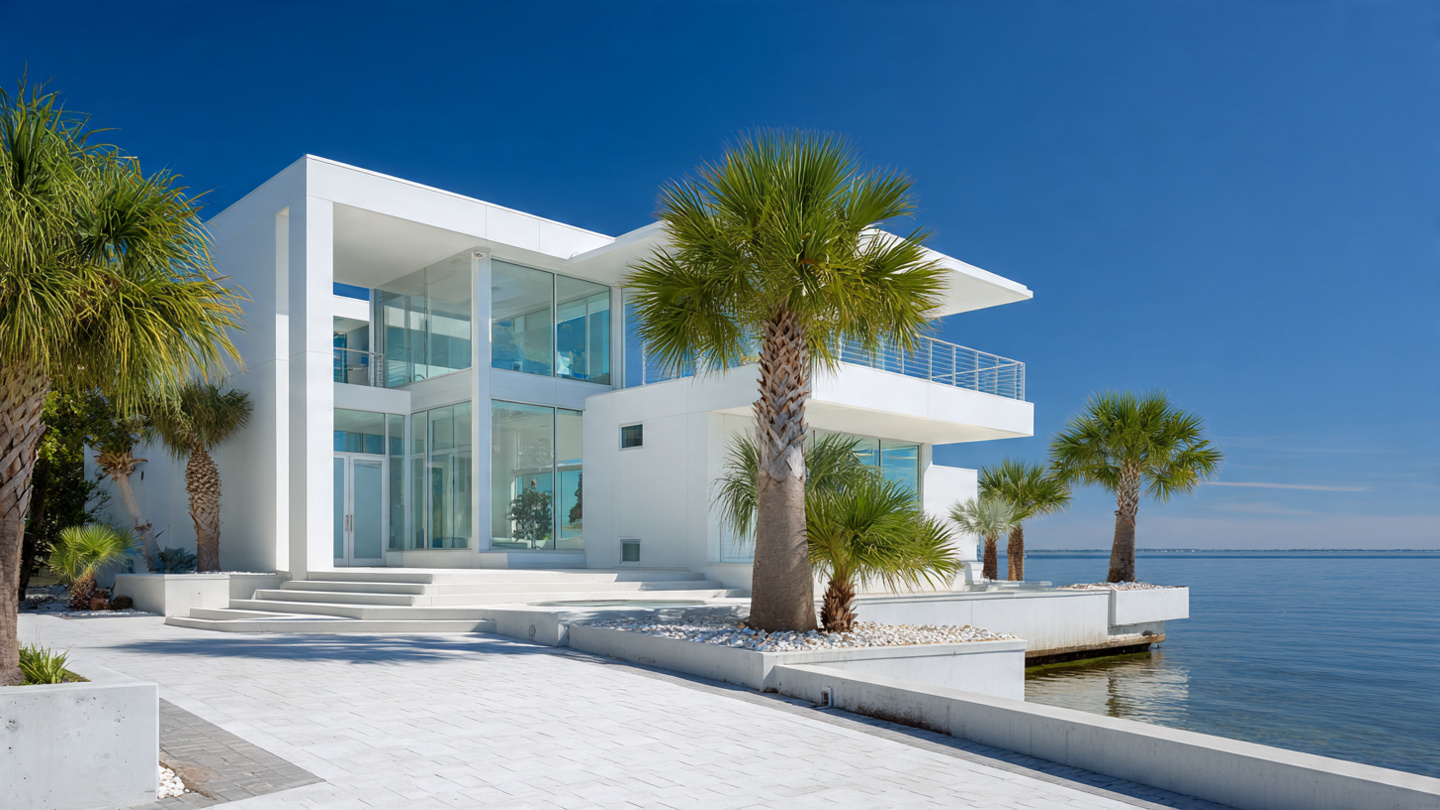
Thinking About Downsizing in St. Petersburg? 7 Things to Do Before You Put Your Home on the Market
If you are thinking about downsizing your home in St. Petersburg, the first step usually isn’t putting your home on the market.
It is creating a plan for what happens before, during and after the sale.
For many luxury homeowners, downsizing isn’t simply a real estate transaction. You may be leaving a home you’ve owned for decades, deciding what to do with years of belongings, figuring out whether condo living is right for you, and wondering whether you should sell your current home before buying your next one.
And if you own a luxury or waterfront property in an area such as Snell Isle, Historic Old Northeast or another established St. Petersburg neighborhood, there is another consideration: how do you prepare and position a valuable property for sale without making unnecessary improvements or rushing the process?
The most successful transitions tend to begin well before the “For Sale” sign goes up.
As luxury real estate advisors in St. Petersburg, we believe downsizing should be approached as one coordinated transition — not a separate home sale, home search and move.
Here are seven things to consider before putting your home on the market.
1. Understand What Your Home Is Realistically Worth
Before deciding where you are going next, it helps to understand what your current home may realistically sell for.
That sounds obvious, but there is an important distinction between an online estimate, a hopeful asking price and a strategic assessment of your property’s position in the current market.
Luxury properties require more nuance.
Two homes in St. Petersburg can have similar square footage yet command very different prices because of factors such as:
- Waterfront location and water access
- Lot and view
- Renovation quality
- Architectural character
- Condition
- Flood zone considerations
- Dock and seawall condition
- Neighborhood
- Competing inventory
- Buyer demand at that particular price point
For condominium owners, building-specific factors can matter just as much as the residence itself, including fees, amenities, reserves, assessments, building condition and competing units.
That is why we prefer to begin a downsizing conversation with a property and market-positioning review, rather than simply choosing a list price.
Understanding a realistic potential range for your sale gives you better information for every decision that follows.
2. Decide What You Want Your Next Lifestyle to Look Like
Downsizing doesn’t necessarily mean downgrading.
For many of the St. Petersburg homeowners we speak with, the real goal is not simply to own fewer square feet. It is to have less responsibility and more freedom.
That may mean trading a large home and yard for a luxury condominium in Downtown St. Petersburg. It may mean leaving a single-family waterfront property for a residence where exterior maintenance is handled by the association.
For someone else, it may mean keeping the waterfront lifestyle but choosing a smaller property that is easier to maintain.
Before searching for your next home, ask yourself:
- How much space do we actually use?
- Do we still want the responsibility of a single-family home?
- How important is walkability?
- Do we want to travel more?
- Do we still want boating access?
- How important are views and outdoor space?
- Do we want building amenities?
- How much storage will we realistically need?
- Do we want a lock-and-leave lifestyle?
- How close do we want to be to restaurants, museums, parks and the waterfront?
These questions often provide more clarity than starting with a list of available properties.
The goal isn’t simply to find a smaller home.
It is to identify the lifestyle you want the next home to support.
3. Determine Whether You Should Sell First or Buy First
This is one of the most common questions we hear from homeowners considering luxury downsizing in St. Petersburg:
Should I sell my current home before buying a condo or another property?
There isn’t one correct answer.
Selling first can provide certainty about your proceeds and remove the financial responsibility of owning two properties. But it can also create pressure if the right next home hasn’t appeared.
Buying first can make the physical transition easier because you know exactly where you are going. But it may require carrying two properties temporarily and having sufficient liquidity or financing available.
Other possibilities may include coordinating closing dates or negotiating occupancy terms when circumstances allow.
The right sequence depends on factors such as:
- Your financial position
- Equity in your current property
- Financing needs
- Current buyer demand for your home
- Inventory in the market where you want to buy
- How specific your next-home requirements are
- Your tolerance for owning two properties temporarily
- How much flexibility you have around timing
We recently wrote a more detailed guide addressing this exact decision: Should I Sell My St. Petersburg Home Before Buying a Luxury Condo?
https://floulissisters.com/blog/blog
The important point is this:
Don’t make the selling decision without considering the buying strategy at the same time.
The two transactions should be planned together.
4. Decide What to Fix — and What Not to Fix — Before Selling
One of the easiest ways to make downsizing more stressful is to begin renovating without first establishing a selling strategy.
We often see homeowners assume they need to update everything before listing.
That isn’t necessarily true.
Depending on the property and likely buyer, certain improvements may make the home more marketable. Others may cost considerable time and money without producing an equivalent benefit in the sale.
Before beginning major work, evaluate the home from a buyer’s perspective.
Potential priorities might include:
- Deferred maintenance
- Fresh paint where needed
- Lighting
- Landscaping and curb appeal
- Minor repairs
- Decluttering
- Furniture placement
- Improving visual continuity
- Preparing outdoor living areas
- Addressing obvious maintenance concerns
For waterfront homes, additional property-specific considerations can include the condition and documentation surrounding seawalls, docks, roofs, windows and other components that buyers and insurers may scrutinize.
The objective is not to make your home look like somebody else’s home.
It is to determine which preparation will strengthen the property’s positioning and which expenditures are unlikely to matter to the eventual buyer.
That analysis should happen before contractors start arriving.
5. Start Editing Your Belongings Before You Have to Move
For longtime homeowners, this is often the most emotionally difficult part of downsizing.
A home accumulated over 20 or 30 years isn’t simply filled with furniture. It contains family history.
Trying to make every decision during the pressure of an active listing and upcoming closing can become overwhelming very quickly.
Instead, begin gradually.
One useful approach is to divide belongings into categories:
- Definitely coming with us
- Family members may want
- Sell
- Donate
- Store temporarily
- Decide later
You do not need to solve the entire house in a weekend.
Start with areas that have less emotional weight — extra linens, duplicate kitchen items, unused closets or storage spaces — before moving to photographs, heirlooms and sentimental pieces.
There is also a practical real estate benefit.
Thoughtful editing can make rooms feel larger, allow architectural features to stand out and help potential buyers understand the home more clearly.
In other words, preparing for your next home can simultaneously help prepare your current one for market.
6. Research Your Next Home Before Listing — Even If You Aren’t Ready to Buy
You don’t necessarily need to purchase your next home before selling.
But you should understand your options.
If Downtown St. Petersburg luxury condo living is part of your downsizing plan, begin studying the market before your current home goes live.
Don’t look only at beautiful kitchens and views.
Understand the building.
Consider:
- Condominium fees
- Reserve funding
- Current or potential assessments
- Building age and condition
- Milestone inspection information, when applicable
- Structural Integrity Reserve Study information, when applicable
- Insurance
- Parking
- Storage
- Pet policies
- Rental restrictions
- Guest policies
- Amenities
- Security
- Management
- Location and walkability
Florida’s condominium environment has changed considerably in recent years, which makes building-level due diligence particularly important.
A beautiful unit is only one part of a condominium purchase.
The building’s financial condition, maintenance obligations, governing documents and lifestyle should also fit your plans.
If you travel frequently, for example, security and lock-and-leave convenience may carry more weight.
If you are moving from a large home, storage and parking may suddenly matter more than you anticipated.
And if you are leaving a waterfront house but still want boating access, that requirement can substantially change the search.
Researching these questions early gives you a realistic picture of what your next chapter might cost — and what compromises you may or may not want to make.
7. Build One Transition Timeline for the Sale, Purchase and Move
This is the step that brings everything together.
Instead of creating one timeline for selling, another for buying and another for moving, create one coordinated transition plan.
A thoughtful downsizing timeline might include:
Phase 1: Strategy
Establish your likely property value, financial parameters, ideal timing and next-home criteria.
Phase 2: Preparation
Determine repairs, staging, decluttering, vendors, photography and other pre-market work.
Phase 3: Market Launch
Position and market the current property with the right pricing, presentation and launch strategy.
Phase 4: Next-Home Search
Monitor appropriate condos or homes so you understand inventory and are ready to act when the right opportunity appears.
Phase 5: Contract Coordination
Evaluate offers on your existing property not only by price, but also by terms, contingencies and timing.
Phase 6: Transition
Coordinate closings, movers, vendors, possessions and the move into your next residence.
This is why we view luxury downsizing as a transition rather than simply a listing.
When these decisions are made independently, one can create pressure on another.
When they are planned together, the process can become considerably more manageable.
A Common Downsizing Scenario in St. Petersburg
Consider a hypothetical couple who has lived in a larger St. Petersburg home for more than 20 years.
Their children are grown. They travel more frequently. They still love their home, but they are using fewer rooms and spending more time managing the property than they would like.
They begin looking at Downtown St. Petersburg condos and quickly find themselves asking:
Do we sell first?
What if our house sells and we haven’t found a condo?
Should we renovate the kitchen before listing?
What are we going to do with all this furniture?
How much will condo ownership actually cost?
Those aren’t five unrelated problems.
They are one transition.
The better approach is to first understand the likely sale position of the existing home, define what the couple wants from the next lifestyle, evaluate condo options and then determine the sequence that provides the appropriate balance of financial certainty and flexibility.
Only then does the listing timeline get built.
That is very different from simply putting the house on the market and figuring everything else out afterward.
Common Mistakes to Avoid When Downsizing in St. Petersburg
Waiting Until You’re Ready to Sell Before Planning
You don’t need to be ready to list to start gathering information.
In fact, beginning several months ahead can give you more options and less pressure.
Renovating Before Establishing a Strategy
Don’t assume every dated feature needs to be replaced. Determine what the likely buyer will value before committing to expensive projects.
Choosing Your Next Home Based Only on Square Footage
Lifestyle, storage, parking, fees, building financials, amenities, location and maintenance responsibilities can matter as much as size.
Treating the Sale and Purchase as Separate Transactions
One affects the timing and negotiating position of the other. They should be planned together.
Pricing Based on What You Need for the Next Home
Your desired proceeds are important to your financial plan, but they do not determine what buyers will pay for your current property.
Pricing should be based on the property’s competitive position and current market evidence.
Underestimating the Emotional Side of Leaving a Longtime Home
It is possible to be excited about the next chapter and still find leaving your current home difficult.
Give yourself enough time to make thoughtful decisions.
Luxury Downsizing Is Really About Creating Optionality
For many affluent homeowners, the greatest benefit of downsizing isn’t simply having a smaller property.
It is having more options.
Less maintenance may mean more ability to travel.
A lock-and-leave condominium may make it easier to spend extended periods with family.
Downtown living may replace home maintenance with restaurants, waterfront parks, museums and other experiences within easy reach.
And a thoughtfully planned sale may allow you to make the next purchase from a position of greater clarity.
That is why the best downsizing strategy begins with a conversation about where you want your life to go, not merely what your current home might sell for.
Frequently Asked Questions About Downsizing in St. Petersburg
When should I start planning to downsize?
Ideally, begin before you feel pressure to sell. Starting early gives you time to understand your home’s market position, research your next housing options, sort belongings and determine what preparation may be worthwhile.
Should I sell my St. Petersburg home before buying a condo?
It depends on your financial position, current market conditions, available condo inventory and tolerance for carrying two properties. Some homeowners benefit from selling first; others have enough flexibility to secure the next property first. The two decisions should be evaluated together.
Is Downtown St. Petersburg good for downsizers?
Downtown St. Petersburg can appeal to homeowners seeking a more walkable, amenity-oriented and lock-and-leave lifestyle. However, individual condominium buildings vary considerably in fees, amenities, reserves, assessments, policies and financial condition, so building-level due diligence matters.
Should I renovate my home before downsizing?
Not automatically. Some improvements can improve presentation or address deferred maintenance, while others may not provide sufficient value to justify the expense. Establish the property’s selling and positioning strategy before undertaking major renovations.
What should I look for when buying a luxury condo in St. Petersburg?
Look beyond the residence itself. Consider the building’s financial condition, reserves, assessments, inspections when applicable, insurance, fees, amenities, parking, storage, policies and location as well as whether the residence supports the lifestyle you want.
Can a Realtor help coordinate both selling my home and buying my next property?
Yes. For homeowners who are downsizing, coordinating the sale and next purchase can be an important part of the strategy. Pricing, listing preparation, offer terms, purchase timing and closing logistics can affect one another, which is why we prefer to approach them as one transition plan.
Thinking About Downsizing in St. Petersburg?
You do not need to be ready to sell to begin planning.
Magdalini and Androniki Floulis of Floulis Sisters Global Luxury Realtors at Coldwell Banker Global Luxury advise luxury homeowners throughout St. Petersburg and the Gulf beaches on selling, downsizing and navigating the purchase of what comes next.
With decades of luxury real estate experience spanning Montréal, Manhattan and St. Petersburg, the Floulis Sisters bring a strategic, concierge-level approach to property preparation, pricing, marketing, negotiation and the transition into a client’s next home.
For homeowners considering a move from a larger residence or waterfront property into a luxury condominium — or simply trying to understand their options — the first step can be a private planning conversation rather than a commitment to sell.
Contact Floulis Sisters to discuss your St. Petersburg luxury downsizing strategy and build a plan for both your current home and what comes next.
