

 Facebook
 X
X
 Pinterest
 Copy Link
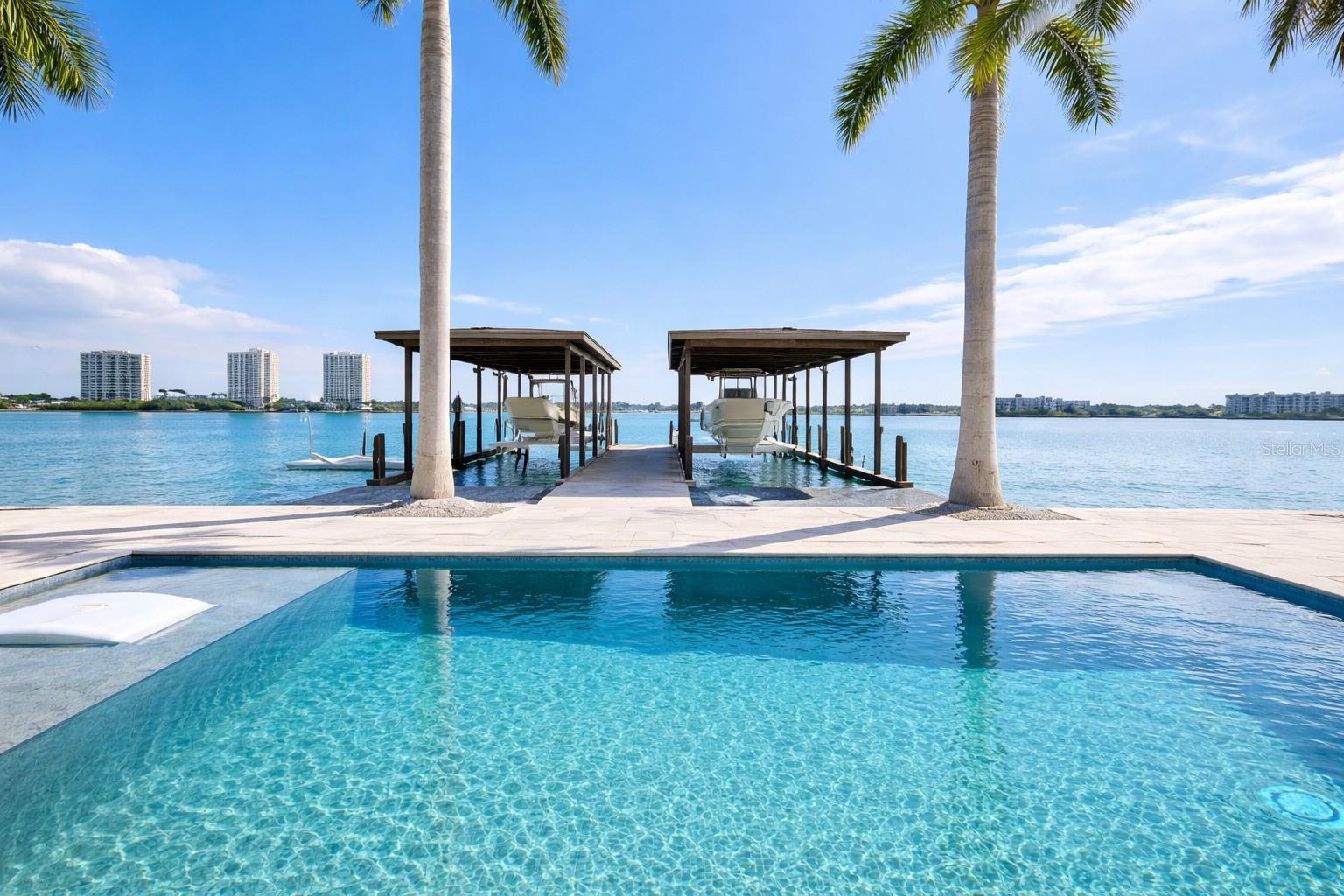
If you’re thinking about selling a home in St. Petersburg, Snell Isle, Historic Old Northeast, Downtown St. Pete, or one of Florida’s Gulf beach communities, the best time to start planning is often before you’re ready to put the property on the market.
That is especially true for luxury homes, waterfront properties and condominiums.
Selling successfully isn’t simply a matter of choosing a price, taking photographs and putting the property online. Pricing, preparation, insurance, flood considerations, condominium documentation, buyer expectations and marketing can all influence how a property is received.
And if you’re downsizing, relocating or leaving a longtime family home, the sale itself is only one part of a much larger transition.
At Floulis Sisters Global Luxury Realtors at Coldwell Banker Global Luxury, we advise luxury homeowners throughout St. Petersburg and Florida’s Gulf beaches. Here are 12 important questions to consider before listing your home.
1. What Is My St. Petersburg Home Really Worth?
For most sellers, this is the first question.
It is also one of the easiest questions to oversimplify.
Online home-value estimates can provide a starting point, but luxury and waterfront properties often have characteristics that automated valuations cannot fully interpret.
Two homes with similar square footage can have very different values because of:
- Waterfront orientation and views
- Lot position
- Renovation quality
- Architectural character
- Elevation and flood considerations
- Dock or seawall characteristics
- Interior condition
- Condominium building and amenities
- Floor height and exposure
- Association fees and financial condition
- Current competition
- Buyer demand within that price range
A waterfront home in Snell Isle should not simply be compared with every similarly sized home in St. Petersburg. Likewise, a Downtown St. Pete condominium should not be valued solely on price per square foot.
We prefer to think about pricing as market positioning.
That means examining what has sold, what hasn’t sold, what is competing for the same buyer and how buyers are behaving in that specific segment of the market.
The goal isn’t to choose the highest number.
It’s to position the property intelligently while protecting the seller’s negotiating leverage.
2. Should I Sell Now or Wait?
There is rarely one universally perfect month to sell.
A better question is:
When will my property—and my personal circumstances—be best positioned for a successful sale?
Consider:
- Your desired moving timeline
- Current competing inventory
- Property condition
- Preparation time
- Your next housing decision
- Carrying costs
- Seasonal buyer patterns
- Current demand within your price range
For homeowners considering downsizing, waiting may make sense. But waiting to sell doesn’t necessarily mean waiting to plan.
You can develop a strategy months before you actually want your home on the market.
3. What Should I Fix Before Selling?
One of the most common seller mistakes is spending money on improvements without first determining whether buyers are likely to value them.
Before renovating, separate potential projects into three categories.
Issues that could concern buyers
Deferred maintenance, visible damage and obvious functional problems may create uncertainty during showings or inspections.
Improvements that strengthen presentation
Paint, lighting, landscaping, decluttering and selective cosmetic updates can sometimes dramatically improve how a home presents.
Projects that may not justify the cost
A major renovation immediately before selling can consume considerable time and money without producing an equivalent increase in value.
A waterfront home in Pass-a-Grille may need an entirely different preparation strategy from a luxury condominium in Downtown St. Petersburg.
That’s why we recommend having the property evaluated before beginning expensive improvements.
4. Should I Renovate My Kitchen or Bathrooms Before Listing?
Not automatically.
A dated kitchen does not necessarily mean a seller should undertake a complete renovation.
Instead, ask:
- Who is the likely buyer?
- Will that buyer value the improvement?
- Would they prefer to renovate according to their own taste?
- How long will the project delay the sale?
- Does the surrounding market support the investment?
Sometimes strategic painting, lighting, hardware, staging and cosmetic improvements can accomplish more than a major renovation.
The objective isn’t to make the property perfect.
It’s to make it compelling to the buyer most likely to purchase it.
5. Should I Stage My Home?
For luxury properties, presentation is part of positioning.
Today’s buyers frequently experience a home for the first time on a screen. Photography and video may effectively become the property’s first showing.
Staging may involve:
- Editing furniture
- Removing visual distractions
- Improving room flow
- Adjusting lighting
- Decluttering
- Repositioning artwork
- Styling important spaces
- Creating a clearer lifestyle story
For longtime homeowners who are downsizing, this process can have another benefit: it allows the transition to begin gradually instead of forcing decades of decisions into the final weeks before moving.
6. How Should a Luxury Home Be Marketed?
Luxury marketing should do more than generate exposure.
It should communicate why the property matters to the right buyer.
For the Floulis Sisters, marketing begins with positioning.
Depending on the property, our approach may incorporate professional photography, cinematic video, lifestyle storytelling, digital marketing, social media, YouTube exposure, broker outreach and the global reach of Coldwell Banker Global Luxury.
But simply putting a home in more places isn’t the strategy.
The more important questions are:
Who is the likely buyer? Why will this particular property appeal to that buyer? And how do we consistently put the property in front of the right audience?
That becomes especially important with luxury waterfront homes and distinctive condominiums, where the qualified buyer pool may be smaller.
7. How Long Will My Home Take to Sell?
No responsible real estate advisor can guarantee an exact number of days.
Timing depends on factors including:
- Price
-
- Condition
- Location
- Competition
- Buyer demand
- Financing
- Insurance
- Condominium or association considerations
- Marketing execution
What matters is how your strategy responds once the property enters the market.
Are buyers viewing the property online but not scheduling showings?
Are buyers touring but not making offers?
Are competing properties going under contract while yours remains available?
Those are signals.
A strong listing strategy evaluates those signals and responds intelligently rather than simply waiting.
8. What Does It Cost to Sell a Home?
Selling expenses vary by property and transaction.
Potential expenses may include:
- Brokerage compensation
- Closing-related expenses
- Property preparation
- Repairs
- Staging
- Moving expenses
- Storage
- Negotiated buyer concessions
Broker compensation is negotiable and should be clearly discussed with your real estate professional.
For downsizing sellers, we also recommend thinking beyond the transaction and creating a broader transition budget.
That might include moving, storage, estate-sale or donation services, improvements to the current property, and expenses associated with the next residence.
Understanding the entire financial picture can make the decision much easier.
9. What Do I Need to Disclose When Selling a Florida Home?
Florida sellers generally have disclosure obligations regarding known facts that materially affect a property’s value when those facts are not readily observable and are not already known to the buyer.
Flood-related disclosure is particularly relevant in St. Petersburg and Florida’s Gulf beach communities.
Waterfront sellers should consider gathering relevant information early rather than waiting until a buyer is already under contract.
Depending on the property and circumstances, this could include information relating to previous flooding, insurance, repairs and other relevant property history.
Because disclosure obligations are legal matters and individual circumstances vary, sellers should obtain appropriate legal guidance when necessary.
10. What Should I Know Before Selling a Downtown St. Pete Condo?
Selling a luxury condominium is different from selling a single-family home.
Sophisticated buyers may evaluate the financial and physical health of the building almost as carefully as they evaluate the residence.
Questions can arise concerning:
- Condominium fees
- Special assessments
- Reserve funding
- Structural inspections
- Association insurance
- Planned capital projects
- Association rules
- Financial statements
- Buyer approval requirements
Condo sellers benefit from organizing relevant association information early.
Think about two comparable luxury condos.
One listing leaves buyers and their agents searching for answers about assessments, reserves and upcoming work.
The other is represented by a listing team prepared to address the questions buyers are likely to ask.
Even if the residences are similar, the second creates a clearer and more confident buying experience.
Reducing uncertainty is part of luxury marketing.
11. What Should Waterfront Sellers Know About Flood and Insurance Questions?
Owning waterfront property is one of the great attractions of the St. Petersburg lifestyle—but waterfront real estate comes with considerations that don’t necessarily apply to other homes.
Buyers considering properties in Snell Isle, St. Pete Beach, Pass-a-Grille, Treasure Island, Madeira Beach, Indian Rocks Beach and the Redingtons may ask about:
- Flood zones
- Elevation
- Property history
- Insurance
- Seawalls
- Docks
- Maintenance
- Overall cost of waterfront ownership
The specifics can vary considerably from one property to another.
That is why waterfront homes require property-specific positioning rather than generic luxury marketing.
The best approach is to anticipate reasonable buyer questions, organize the available information and be prepared to address those questions clearly.
12. How Do I Choose the Right Listing Agent?
Don’t simply ask what an agent thinks your home is worth.
Ask questions that reveal how they think.
For example:
- How did you determine your recommended price?
- Who is the likely buyer for my property?
- How will you reach that buyer?
- How will you market beyond simply entering the property in the MLS?
- What should I do before listing?
- What should I not spend money on?
- How will you evaluate buyer response?
- How often will I receive updates?
- How do you approach negotiations?
- What happens if the market doesn’t respond as expected?
- What experience do you have with luxury, waterfront or condominium properties?
Luxury properties frequently have fewer truly comparable sales and a smaller buyer pool.
That makes experience, judgment, positioning and negotiation particularly important.
What If My Home Was Listed Before and Didn’t Sell?
An expired or withdrawn luxury listing shouldn’t automatically be put back on the market with new photographs and essentially the same strategy.
First ask:
Why didn’t the market respond?
Was it:
- Price?
- Presentation?
- Marketing?
- Property condition?
- Buyer objections?
- Insurance concerns?
- Condominium issues?
- Poor communication of the property’s value?
- Some combination of these factors?
Only after diagnosing the problem should a relaunch strategy be created.
Changing the agent without changing the strategy may simply produce the same result.
What If I’m Selling Because I Want to Downsize?
For many of the homeowners we advise, selling isn’t actually the ultimate goal.
The real goal may be:
- Less maintenance
- More freedom to travel
- Moving closer to children or grandchildren
- Transitioning into a Downtown St. Pete condo
- Moving from a large waterfront home to lock-and-leave living
- Simplifying after retirement
- Beginning a new chapter after decades in the same home
That changes the conversation.
Instead of beginning with:
“When should we list?”
We often begin with:
“What do you want your life to look like after you sell?”
Then we can work backward.
Imagine a couple who have lived in their waterfront home for 25 years. They know they’d eventually like a condominium, but preparing the house, sorting decades of belongings, finding the next residence and coordinating everything at once feels overwhelming.
Their first step doesn’t need to be putting a sign in the yard.
It might be determining the home’s likely value, deciding what should and shouldn’t be improved, creating a preparation timeline, gradually simplifying and exploring which condominium lifestyle actually suits them.
By the time the home reaches the market, many of the difficult decisions have already been made.
That’s the difference between simply listing a property and strategically managing a transition.
How the Floulis Sisters Prepare a Luxury Home for Sale
At Floulis Sisters Global Luxury Realtors, our work begins before the listing goes live.
We look at six areas:
1. Property
What does the home need—and what doesn’t it need?
2. Price
Where does the property fit within today’s competitive market?
3. Positioning
What makes this particular property meaningful to its likely buyer?
4. Presentation
How should staging, photography, video and storytelling communicate that value?
5. Promotion
Where and how should the property be presented to qualified buyers?
6. Transition
What needs to happen around the sale so the seller can move forward comfortably?
Magdalini and Androniki Floulis bring decades of luxury real estate experience from Montréal and Manhattan to St. Petersburg and Florida’s Gulf beaches.
Magdalini’s background as an attorney adds contract and negotiation perspective to the team’s strategic approach, while Androniki brings decades of Manhattan luxury real estate experience.
Today, the Floulis Sisters specialize in luxury homes, waterfront properties, luxury condominiums and downsizing transitions throughout St. Petersburg and the Gulf beaches.
Our objective is simple:
Give homeowners enough clarity to make intelligent decisions before those decisions become urgent.
Frequently Asked Questions About Selling a Home in St. Petersburg
How early should I speak with a real estate agent before selling?
Earlier than many homeowners expect. If your property needs preparation or you’re considering downsizing, starting several months ahead can provide more options and fewer rushed decisions. An initial consultation doesn’t mean you have to list immediately.
Should I renovate before selling?
Not automatically. Have the property evaluated first. Some improvements can strengthen presentation, while others may cost more than they contribute to the sale.
Is an online home estimate accurate for a luxury property?
It can provide a reference point, but distinctive luxury, waterfront and condominium properties generally require deeper analysis of comparable sales, competition, condition, location and property-specific characteristics.
Do I need to stage my home?
Not every property needs full staging. Most luxury properties, however, benefit from intentional editing and presentation before professional photography and video.
Is selling a waterfront home different from selling a regular home?
Yes. Waterfront buyers may consider flood exposure, elevation, insurance, docks, seawalls and other property-specific characteristics in addition to the home itself.
Is selling a condo different from selling a house?
Yes. Condo buyers may evaluate the association, reserves, assessments, insurance, inspections, building projects and restrictions in addition to evaluating the residence.
What if I’m not ready to downsize yet?
You don’t have to make an immediate decision. Start by understanding your property’s potential value, what preparing it would involve and what you want your next lifestyle to look like.
What if my home didn’t sell with another agent?
Before relisting, determine why buyers didn’t respond. Pricing, positioning, presentation, marketing and property-specific concerns should all be reviewed before developing a new strategy.
Thinking About Selling? Start With Strategy, Not a Listing Date
The strongest seller conversations often begin long before a home appears online.
Understanding your property’s value, preparation needs, timing, buyer expectations and your next move gives you something far more valuable than simply choosing a listing date:
It gives you options.
The Floulis Sisters Global Luxury Realtors at Coldwell Banker Global Luxury advise luxury homeowners throughout Downtown St. Petersburg, Snell Isle, Historic Old Northeast, Pass-a-Grille, St. Pete Beach, Treasure Island, Madeira Beach, Indian Rocks Beach and the Redingtons.
Our focus includes luxury waterfront homes, luxury condominiums, strategic home selling and luxury downsizing.
If you’re considering selling—even if your timeline is six months or a year away—the first step doesn’t have to be listing your home.
It can simply be understanding your options.
This article is provided for general educational purposes and is not legal, tax, insurance or financial advice. Individual properties and circumstances vary.
