Luxury Seller Strategy (St. Pete + Beaches) February 9, 2026

Low-Rate Lock-In? A Smart Move-Up Plan

The Low-Rate “Lock-In” Dilemma: A Smart Seller’s Plan to Move Up Without Regret (St. Pete + the Beaches)

If you bought or refinanced when rates were low, you’re sitting on something valuable.

And yet… your life may have outgrown your home.

That’s the tension so many sellers in St. Petersburg and the beaches feel right now:
“We want to move—but we don’t want to make a dumb financial move.”

Fair.

This isn’t a moment for hype. It’s a moment for clarity.

With 25+ years of full-time experience (including Montréal and NYC, where buyers are selective and pricing mistakes get punished), we’ve learned something simple: the sellers who feel best afterward aren’t the ones who “timed it perfectly.”

They’re the ones who had a plan that made sense on paper and in real life.


Quick Answers

Should I sell if I have a low interest rate?
Sometimes, yes. If your lifestyle needs have changed, the right plan can make the move worth it—without regret.

What’s the biggest mistake rate-locked sellers make?
Focusing only on the rate, instead of the full lifestyle + equity picture.

What’s the smartest first step?
A clear “move-up math” conversation: your estimated net proceeds, realistic next-home costs, and a timeline that keeps you in control.


First, let’s name what’s really happening

A low rate can feel like handcuffs.

Not because you don’t like your home.
But because moving feels like trading certainty for uncertainty.

And if you’re a move-up seller, your stakes are higher. You’re not just selling—you’re upgrading your lifestyle. You want something more refined, more low-maintenance, and more aligned with how you want to live now (and travel later).

So instead of asking, “Should we move?” a better question is:

“What plan gets us the lifestyle we want with the least friction?”


The “Move-Up Math” most sellers forget to do

Many sellers stop at:
“Our payment will go up.”

Yes, it might.

However, smart decision-making includes more than a monthly number. It includes:

Equity: What your home sale can fund (and how much flexibility it creates).
Lifestyle cost: What your current home requires in time, maintenance, and stress.
Opportunity cost: What you’re missing by waiting another year.
Freedom: What “low-maintenance” is worth to you, especially if travel is part of the plan.

The point isn’t to talk you into moving.
The point is to replace guessing with a real framework.


Three smart pathways rate-locked sellers are using right now

There isn’t one “right” way. There’s the right way for your stress tolerance and timeline.

1) Sell first, then buy

This is the calmest path for many sellers. It gives you clarity on your proceeds and keeps you from carrying two homes.

It also puts you in a stronger position when you make an offer—because your move is cleaner.

2) Buy first (with a plan), then sell

This can work when you need a specific type of property (certain building, waterfront, gated, rare floorplan). It’s not the default choice. But when it’s done responsibly, it can reduce the “what if we can’t find something?” anxiety.

The key is having a timeline and a backup plan before you commit.

3) Sell, then rent short-term while you shop

Some sellers love this option because it creates breathing room. It’s not forever. It’s a bridge.

And for people who want the next home to feel like a real upgrade—not a rushed compromise—breathing room is powerful.


What Montréal + NYC taught us about moving up in uncertain moments

In top-tier markets, you learn quickly: buyers hesitate when they sense uncertainty.

That matters for rate-locked sellers because uncertainty is the whole emotional problem.

So the strategy becomes:
create certainty in the parts you can control.

Pricing. Presentation. Timing. Negotiation. Terms. A clear sequence of steps.

When those are handled well, sellers stop spiraling and start moving forward with confidence.


The “regret-proof” checklist (without the overwhelm)

Before you decide anything, you should be able to answer these:

What is my home likely to sell for in today’s market?
What are my realistic net proceeds after costs?
What price range fits our next lifestyle move?
What timeline keeps us in control?
What’s our plan if the perfect home doesn’t appear immediately?

If you can’t answer those yet, you’re not behind. You’re simply at the beginning.

And the beginning is where the right guidance matters most.


The Bottom Line for St. Pete + Beach Sellers

A low rate is a financial advantage. It’s not a life sentence.

If your goal is a more prestigious, low-maintenance lifestyle—one that supports travel and freedom—you don’t need more opinions. You need a plan that accounts for both the numbers and the reality of how you want to live.

If you’re considering a move, start with clarity. We’ll help you map the smartest path, step-by-step, so you can move forward without second-guessing.

Want a simple, private “move-up math” plan—built around your equity, timeline, and lifestyle goals?
Request a complimentary market analysis + move-up strategy for your home in St. Petersburg or the beaches.

Luxury Seller Strategy (St. Pete + Beaches) February 7, 2026

Beach Buyer Psychology: Sell in St. Pete

The Beach-Home Buyer Mindset: How to Sell Lifestyle (Not Just Square Footage) in St. Pete + the Beaches

In St. Petersburg and the beaches, buyers aren’t shopping for bedrooms and bathrooms.

They’re shopping for a feeling.

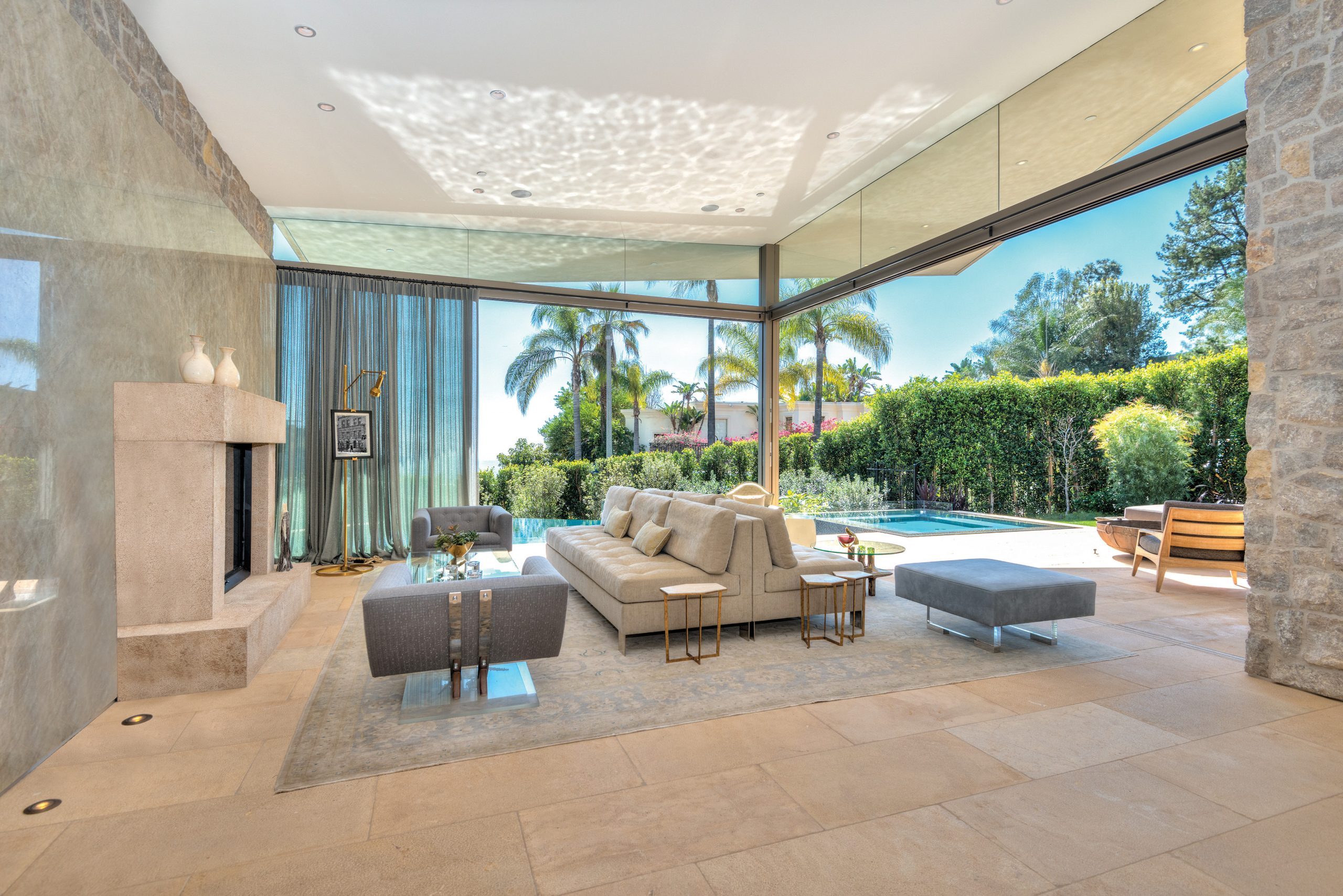
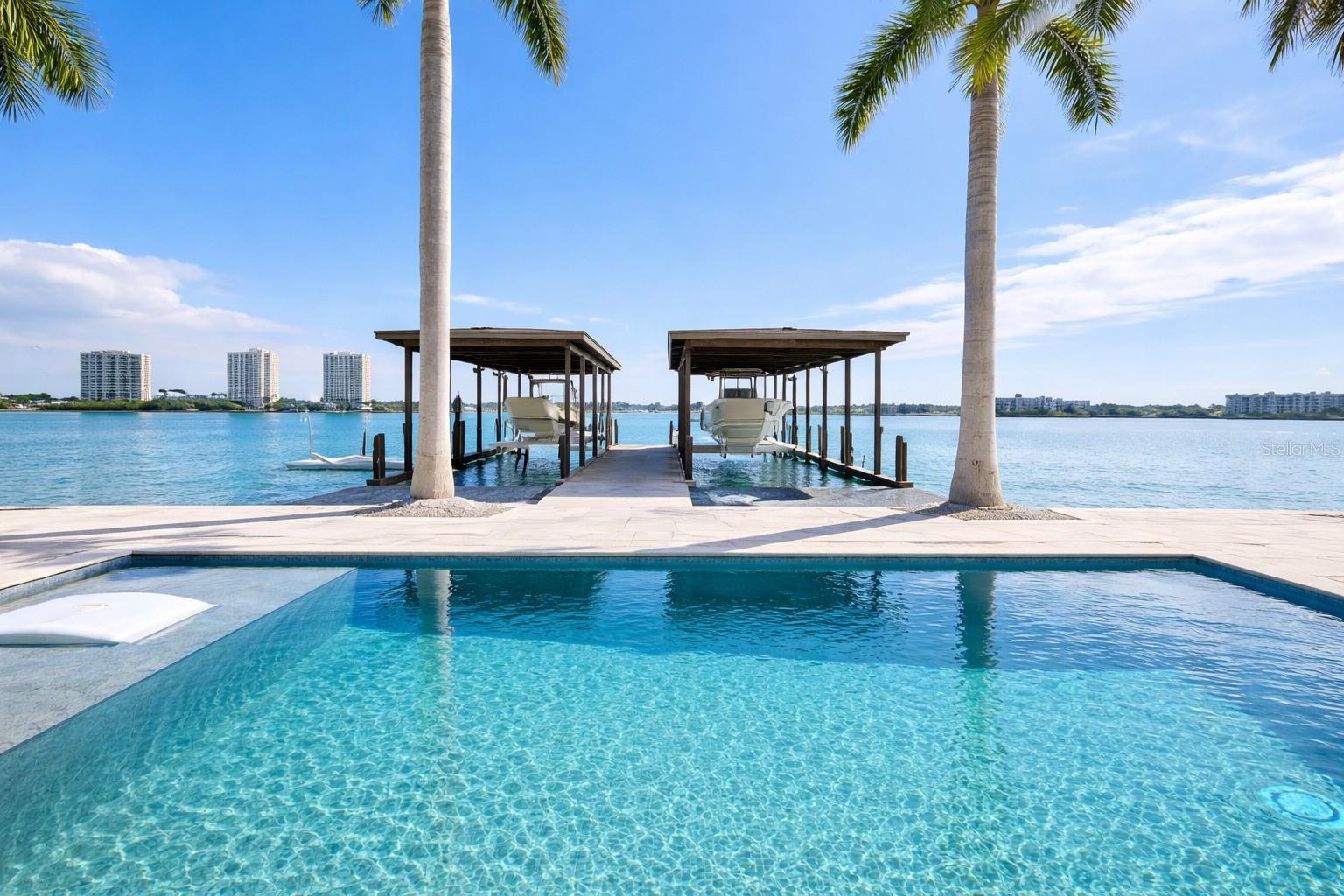
They want light. Ease. A calmer pace. A home that supports travel, weekends that feel longer, and daily life that feels simpler. And when a listing communicates that lifestyle clearly, it doesn’t just get attention—it earns conviction.

That’s the difference between a showing and an offer.

With 25+ years of full-time experience—and a foundation shaped in Montréal and New York City, where standards are high and presentation is everything—we approach coastal Florida listings the same way luxury markets do: we don’t “list” a home. We position it.

What makes beach-area buyers pay more?
Certainty and lifestyle. They pay a premium when a home feels easy to own and easy to love.

What’s the biggest seller mistake?
Leading with features instead of the experience. “Three bedrooms” doesn’t create desire. Lifestyle does.

Do I need a renovation to attract premium buyers?
Usually not. You need smart preparation, elevated visuals, and a confident strategy.


Why coastal homes sell differently

Beach-area buyers often fall into one of three categories: lifestyle movers, freedom seekers, and “new chapter” buyers.

Even so, their decision-making pattern is remarkably similar.

They compare quickly. They are more selective. And they lean toward homes that feel clean, cared for, and effortless. In other words, they don’t want a project. They want a landing place.

So the question your marketing must answer isn’t, “How many upgrades?”

It’s: “How will my life feel here?”


The five cues that make a home feel “worth it”

1) Ease

The strongest coastal listings feel uncomplicated. They don’t fight you. They welcome you.

That means clear surfaces, simple flow, and spaces that read as open and functional. When a home feels easy, buyers relax. And when buyers relax, they commit.

2) Light

In coastal Florida, light isn’t a detail. It’s the atmosphere.

Clean windows, consistent lighting, and uncluttered sightlines can completely change how a home photographs—and how it feels in person. Light makes everything read fresher, larger, and more premium.

3) “Lock-and-leave” confidence

Many beach buyers travel. Some split time between homes. Others want a lifestyle that doesn’t require constant upkeep.

The home has to signal, “This will be simple.” Not with words—with evidence. Clean maintenance. No lingering repairs. Nothing that whispers, “You’ll be dealing with this later.”

4) Coastal calm

Luxury, in practice, often looks like restraint.

Soft neutrals. Clean textures. A quiet palette. Rooms that feel edited. Not staged like a showroom—styled like a place you’d actually want to exhale.

5) The “weekend test”

Here’s the simplest benchmark:

If a buyer spent a long weekend here, would the home feel like a treat… or a task?

We want “treat.”


What matters online (because buyers decide before they tour)

Most buyers make a decision—yes, a real decision—before they ever step inside.

They decide whether it’s worth seeing. Whether it feels special. Whether it feels priced with confidence. And whether it feels like a home that will hold up under scrutiny.

That’s why premium marketing isn’t about being loud. It’s about being unmistakable.

Professional photography should sell light and flow, not just room count. Video should create mood and context, not just movement. And your digital exposure should be targeted so the right buyers actually see it.

MLS is the baseline. Beyond that, the goal is reach with intention—so the home feels elevated everywhere it appears.


What Montréal + NYC taught us that matters most here

In major markets, you learn quickly: luxury isn’t a price point.

It’s a standard.

It’s the standard of how a home is presented, how it’s positioned against competition, how it’s marketed to qualified buyers, and how it’s negotiated once offers arrive.

That lens is especially valuable in St. Pete and the beaches because many buyers are lifestyle-driven and out-of-area. They need clarity. They need confidence. And they need a home that feels like the obvious choice.


The “quiet upgrades” that create instant confidence

If you want the biggest impact without overcomplicating your life, focus on what buyers feel immediately:

Start with a true deep clean. Then edit what’s visible. Fix anything that sticks, squeaks, leaks, or flickers. Make the entry feel intentional. Create space in closets. Keep the styling simple and calm.

These aren’t glamorous changes.

However, they are the changes that remove doubt. And removing doubt is what gets strong offers.


The Bottom Line for St. Pete + Beach Sellers

Beach-area buyers buy lifestyle. So the winning strategy is to communicate lifestyle clearly—supported by smart preparation, elevated visuals, and disciplined positioning.

If you’re considering selling and want a clear plan, we can help you identify what to do, what to skip, and how to present your home so it feels premium—without making the process feel heavy.

Want to know what today’s St. Pete and beach buyers will pay a premium for in your home?
Request a complimentary market analysis + lifestyle positioning plan.

Luxury Seller Strategy (St. Pete + Beaches) February 4, 2026

St. Pete + Beaches Luxury Seller FAQ

Thinking about selling in St. Petersburg, Belleair, or the beaches—but unsure if now is the right time? You’re not alone. Many move-up sellers want a more prestigious, low-maintenance lifestyle. At the same time, they don’t want the selling process to become a full-time job.

That’s where a big-market mindset helps.

In Montréal and New York City, buyers are discerning. Expectations are high. And details matter—because they affect price, terms, and how smoothly a deal closes. Those markets taught us to price with precision, present with intention, and negotiate with discipline.

Today, we bring that same top-tier playbook to St. Pete and the beaches—with 25+ years of full-time experience, $800M+ in closed transactions, and a negotiation approach strengthened by a legal background.


Quick Answers (St. Petersburg + Beaches Seller FAQ)

What’s the biggest advantage of big-market experience when selling in St. Petersburg or the beaches?
Precision. That means pricing strategy, buyer psychology, and negotiation that protects your terms—not just your list price.

How do you market a home beyond a sign and an MLS listing?
With a 360° strategy. That includes professional photography, a custom property website, YouTube exposure, and targeted digital marketing designed to reach the right buyers.

Do luxury buyers still pay top dollar in today’s market?
Yes—when a home feels certain. Strong presentation plus smart positioning often wins, even when buyers are cautious.

What’s the fastest way to lose momentum?
Overpricing early. It usually leads to longer market time, tougher negotiations, and price reductions that could have been avoided.


Why This Matters in St. Pete and the Beaches

Florida is a lifestyle market. So buyers aren’t only buying square footage. They’re buying light, ease, location, and a home that fits their next chapter.

However, lifestyle alone doesn’t sell the home. Strategy does.

That’s why we focus on three things from day one:

  • Positioning (so your home stands out fast)

  • Presentation (so buyers feel confident saying yes)

  • Protection (so terms don’t quietly cost you money)

Now let’s answer the questions we hear most—using the Montréal + NYC playbook, adapted for St. Petersburg and the beaches.


Luxury Selling FAQ: Montréal + NYC Lessons Applied Locally

1) What does Montréal + NYC experience actually change for a Florida seller?

It changes the standard. In top-tier markets, you learn quickly that “good enough” doesn’t win. Instead, you rely on clear positioning, clean execution, and strong negotiation.

As a result, Florida sellers get:

  • smarter pricing from the start

  • better online impact (so the right buyers click, tour, and act)

  • marketing that reaches beyond your immediate neighborhood

  • fewer surprises once you’re under contract

In short: the process feels calmer—and the outcome is stronger.


2) Is pricing a luxury home different than pricing any other home?

Yes. Luxury pricing is less about formulas and more about perception. Buyers compare your home to alternatives in seconds. Because of that, your price needs to match how your home will be experienced.

We price by looking at:

  • location and lifestyle pull

  • condition and quality of finish

  • meaningful upgrades (and what buyers actually pay for)

  • current competition and buyer behavior right now

Most importantly, we price to create confidence. Confidence brings action.


3) What’s the biggest pricing mistake sellers make?

Overpricing “to see what happens.”

It feels safe at first. Yet it usually backfires. A home can lose momentum online, and momentum is hard to get back. Then you end up negotiating from a weaker position later.

A better approach is strategic pricing paired with elevated presentation. That combination attracts qualified demand early, which is when you have the most leverage.


4) Do we need to renovate before we sell?

Not always. In fact, many sellers don’t need a renovation. They need a smart plan.

We focus on high-impact steps, such as:

  • decluttering and simplifying spaces

  • deep cleaning (it’s more powerful than most people think)

  • fixing the items that create buyer doubt

  • strategic styling or staging, when it helps your photos and showings

This isn’t about perfection. It’s about removing friction.


5) What should we fix before inspections?

Fix what signals risk. Buyers don’t mind that a home isn’t brand new. They do mind uncertainty.

Examples include:

  • leaks, staining, or lingering moisture concerns

  • HVAC issues or deferred maintenance

  • electrical quirks, broken windows/doors, or safety items

  • anything that makes a buyer wonder, “What else is hiding?”

When in doubt, we prioritize the fixes that protect negotiations later.


6) What marketing actually works for St. Pete and beach-area buyers?

First, the listing needs to stop the scroll. That starts with professional photography and strong visual storytelling.

Next, your marketing needs reach. MLS is the baseline. After that, we use a broader approach that can include:

  • a custom property website

  • YouTube exposure (including a short-form YouTube ad)

  • targeted digital marketing designed to reach qualified buyers

  • strategic open houses and agent outreach when it fits the home

More visibility is helpful. However, the real goal is qualified demand.


7) Does YouTube marketing really help sell a home?

It can, especially for lifestyle properties.

YouTube works well when it does two things:

  1. helps the right buyer discover the home

  2. helps them feel the home before they arrive

That’s why we use video intentionally. It’s not “content for content’s sake.” It’s positioning.


8) Do open houses help in St. Petersburg and the beaches?

They can—when they’re executed like an event, not a checkbox.

A strong open house is supported by:

  • pre-promotion to the right audiences

  • clear showing strategy

  • thoughtful presentation (lighting, flow, and details)

  • follow-up that turns interest into action

That said, open houses aren’t the strategy. They’re one tool inside a bigger plan.


9) What does “strong negotiation” look like in a real sale?

Negotiation isn’t only about price. Terms often matter just as much.

We protect you through:

  • inspection language and repair requests

  • credits and concessions that creep in late

  • appraisal risk and financing timelines

  • occupancy and scheduling that impacts your move

The goal is simple: keep the buyer committed while protecting your net.


10) How does your Montréal/NYC background help attract buyers here?

It expands reach and raises the bar.

Canadian and NYC markets train you to be:

  • sharper with details

  • faster at spotting risk

  • better at presenting a home so it feels premium

It also helps with out-of-area buyers. In Florida, many buyers are relocating or purchasing second homes. Because of that, marketing needs to speak to lifestyle and certainty—not just features.


11) How long will it take to sell?

It depends on price, presentation, and competition.

Even so, you control more than you think:

  • pricing that matches the market (and the buyer’s mindset)

  • strong first-week exposure

  • a showing plan that supports momentum

  • negotiation that keeps deals moving forward

When a home sits, there’s usually a reason we can identify and fix.


12) What happens after we accept an offer?

Here’s the typical path:

  1. escrow opens

  2. inspections and negotiations happen

  3. appraisal and financing milestones occur

  4. final paperwork and closing prep begins

  5. keys transfer at closing

A smooth escrow isn’t accidental. It requires proactive communication, timing control, and strong coordination.


13) What if this whole process feels overwhelming?

That’s normal. Selling is emotional, even when it’s also a financial decision.

The fastest way to reduce stress is clarity:

  • a realistic timeline

  • a prep checklist that doesn’t overcomplicate your life

  • consistent communication

  • contingency planning, so you’re never scrambling

Our job is to make this feel guided and calm—not chaotic.


14) How do we know we’re choosing the right listing team?

Ask one question:

“What is your plan—specifically—for pricing, presentation, marketing, and negotiation?”

Then listen for clarity. You want a team that can explain:

  • how they’ll price and why

  • how they’ll position your home to stand out online

  • how they’ll generate qualified demand

  • how they’ll protect you during inspection and escrow

You deserve a strategy, not a gamble.


The Bottom Line for St. Pete + Beach Sellers

Montréal and NYC taught us something important: luxury results are rarely luck. Instead, they come from disciplined pricing, elevated presentation, and strong negotiation.

That same approach works beautifully in St. Petersburg and the beaches—especially for move-up sellers who want a smoother process and a confident outcome.

If you’re considering a move, start with information. We offer a complimentary market analysis and a clear game plan so you can decide what makes sense—without pressure.

Want a clear plan before you make a move?
Request a complimentary market analysis and a custom selling strategy for your home in St. Petersburg or the beaches.