Downsizing • Luxury Seller Strategy (St. Pete + Beaches) • June 9, 2026

How to Downsize Without Sacrificing Your Lifestyle in St. Petersburg, Florida

Watch the Video

Prefer to watch instead?

Watch our short video explaining why many affluent homeowners are choosing luxury downsizing in St. Pete, FL.

https://youtube.com/shorts/yi-0FWXpack?feature=share

For many affluent homeowners considering luxury downsizing in St. Petersburg, downsizing is not about reducing their lifestyle.

It’s about improving it.

In fact, some of the happiest homeowners we meet aren’t looking for more square footage.

They’re looking for more freedom.

More flexibility.

Less maintenance.

And a home that better supports the life they want to live today.

At Floulis Sisters Global Luxury Realtors, we often work with homeowners throughout Snell Isle, Downtown St. Petersburg, Historic Old Northeast, St. Pete Beach, and the Gulf beaches who are beginning to ask an important question:

“Do we really need all this house anymore?”

For many, the answer has less to do with finances and more to do with lifestyle.

The New Luxury Isn’t More Space

For decades, success often meant upgrading to a larger home.

Today, many affluent homeowners are redefining what luxury means.

The new luxury is:

  • More time
  • More freedom
  • More travel
  • Less maintenance
  • Greater convenience
  • Walkable lifestyles
  • Flexibility to lock the door and leave whenever you choose

Many homeowners discover they’re using only a fraction of their home while continuing to manage landscaping, repairs, insurance, maintenance, and the countless responsibilities that come with ownership.

The question becomes:

Is the home still serving your lifestyle, or are you serving the home?

Why More Affluent Homeowners Are Choosing Luxury Downsizing

Luxury downsizing in St. Petersburg, FL, has become increasingly popular among affluent homeowners who value convenience, flexibility, and a more intentional lifestyle.

It  allows many homeowners to simplify their lifestyle without sacrificing comfort. Every luxury downsizing decision should begin with a long-term lifestyle plan.

Today’s downsizing decisions are rarely driven by necessity. Instead, they’re driven by intention.

Many luxury homeowners want:

  • Easier travel
  • Simpler living
  • Greater flexibility
  • Less upkeep
  • More experiences
  • A lifestyle aligned with their next chapter

For many empty nesters, downsizing is less about getting smaller and more about getting smarter.

A Common Snell Isle Scenario
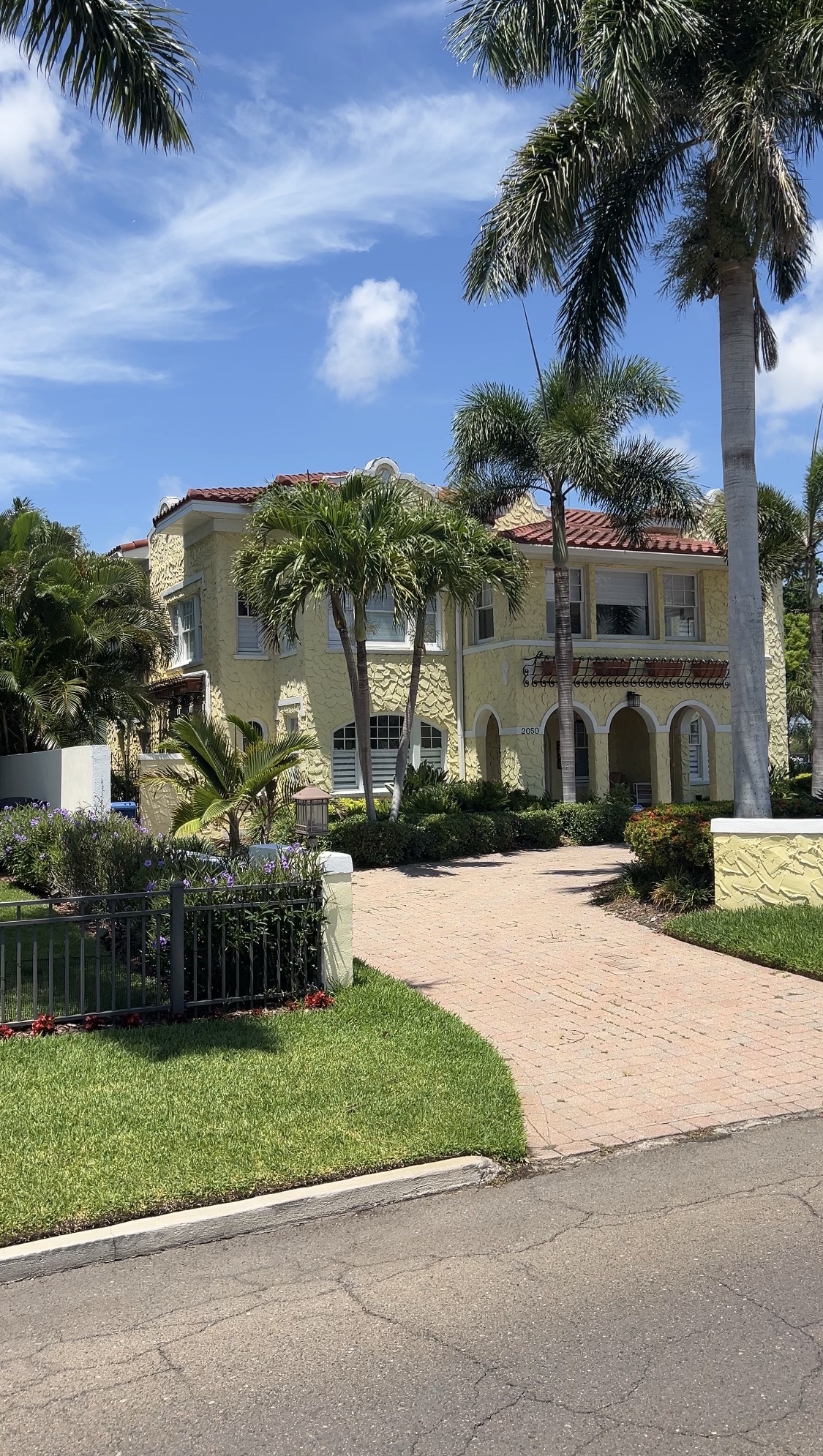
Imagine a couple who has lived in a beautiful waterfront home on Snell Isle for more than twenty years.

The children have moved away.

The guest rooms are rarely used.

The home remains beautiful, but maintaining over 4,000 square feet no longer feels as rewarding as it once did.

They find themselves spending more time coordinating landscaping, maintenance, insurance matters, and repairs than actually enjoying the property.

After careful planning, they decide to sell and transition into a luxury waterfront condominium in Downtown St. Petersburg.

Suddenly, life feels different.

Instead of managing a large property, they enjoy:

  • Waterfront views
  • Walkability
  • Concierge services
  • Building security
  • Resort-style amenities
  • Easier travel
  • Less responsibility

What they gain isn’t less.

It’s freedom.

A Downtown St. Petersburg Condo Example
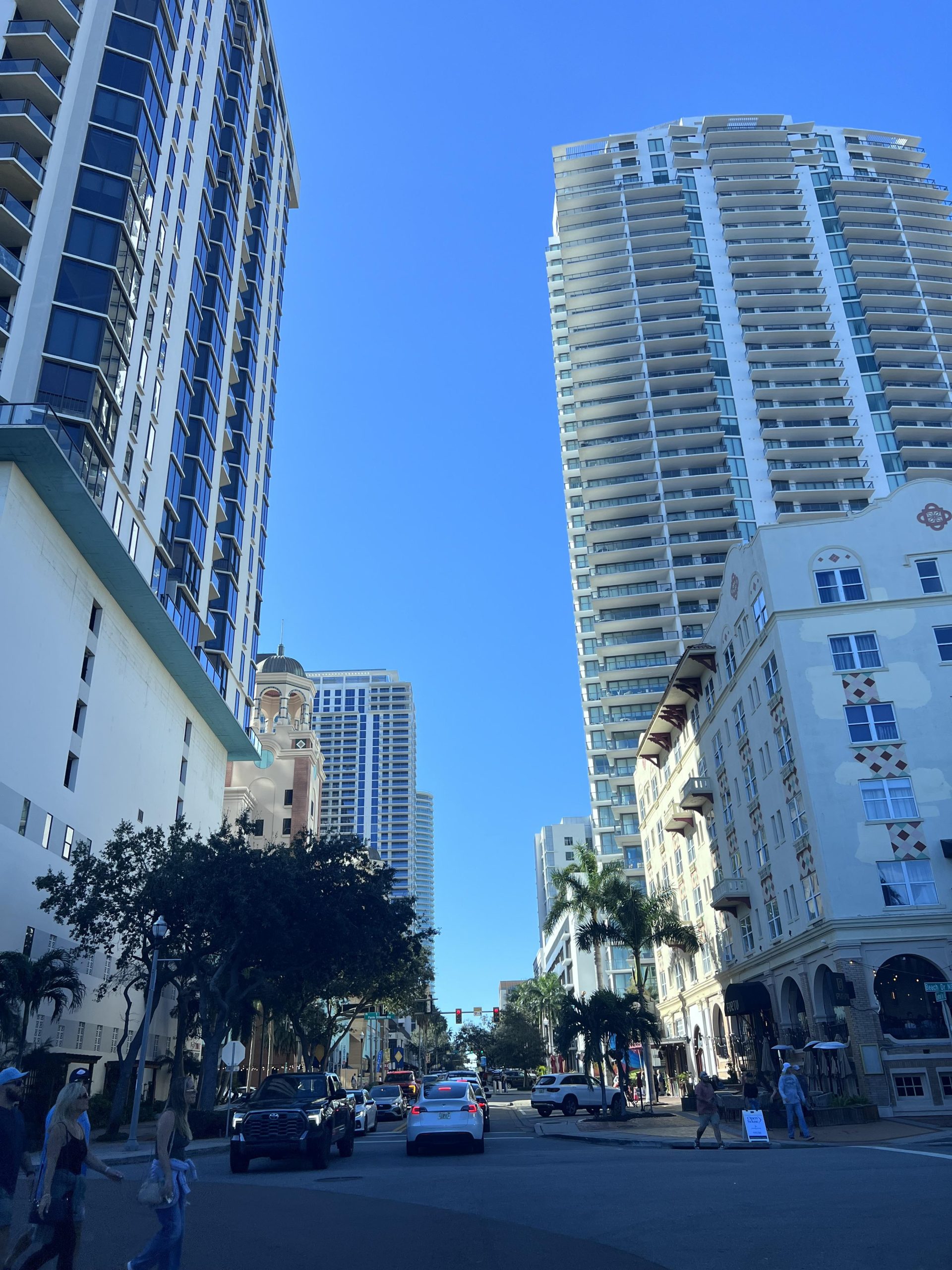
We also see another type of downsizer.

A homeowner who already lives in a luxury Downtown St. Petersburg condominium.

Perhaps they purchased years ago and originally wanted extra space for entertaining, visiting family, or seasonal living.

But life evolves.

Children move away.

Travel becomes a priority.

Lifestyle preferences change.

In many cases, homeowners choose to move into a smaller residence that better reflects how they actually live today.

The goal isn’t to leave luxury behind.

The goal is to create a lifestyle that feels effortless.

Many discover that reducing square footage actually increases quality of life.

The Biggest Myth About Downsizing

One of the most common misconceptions is that downsizing means downgrading.

In reality, many homeowners upgrade their lifestyle while reducing their maintenance.

A luxury condominium in Downtown St. Petersburg may offer:

  • Concierge service
  • Fitness facilities
  • Waterfront views
  • Walkability to restaurants
  • Museums and cultural attractions
  • Resort-style amenities
  • Lock-and-leave convenience

For the right homeowner, this can represent a significant lifestyle improvement.

Questions to Ask Before Downsizing

Every luxury downsizing decision should begin with a clear understanding of your long-term lifestyle goals.

Before making any decisions, ask yourself:

  • How much of our home do we actually use?
  • How much time are we spending maintaining the property?
  • Do we want to travel more frequently?
  • Would walkability improve our lifestyle?
  • Are we looking for more convenience?
  • What do we want life to look like ten years from now?
  • Does our current home support those goals?

The answers often provide more clarity than market statistics alone.

Common Downsizing Mistakes

The most successful downsizing transitions are planned well in advance.

The most stressful ones often happen when homeowners wait too long.

Common mistakes include:

  • Waiting until a life event forces a decision
  • Focusing only on square footage
  • Underestimating the emotional side of moving
  • Choosing a new property before defining lifestyle goals
  • Failing to prepare the current home properly for sale
  • Assuming all luxury condos offer the same experience

Luxury downsizing is not simply a real estate transaction.

It’s a lifestyle transition.

Why St. Petersburg Is Ideal for Luxury Downsizing

One reason St. Petersburg continues to attract affluent homeowners is the variety of lifestyle options available.

Whether it’s a waterfront residence on Snell Isle, a luxury condominium in Downtown St. Petersburg, a historic home in Old Northeast, or a coastal retreat on St. Pete Beach, homeowners can find a property that aligns with their current priorities.

Popular lifestyle benefits include:

  • Waterfront living
  • Walkability
  • Dining and entertainment
  • Arts and culture
  • Boating access
  • Year-round outdoor activities
  • Lock-and-leave convenience

For many homeowners, the next chapter becomes less about maintaining a property and more about enjoying life.

Frequently Asked Questions About Luxury Downsizing

Is downsizing a good idea for empty nesters?

For many empty nesters, downsizing creates more flexibility, less maintenance, and a lifestyle that better reflects their current priorities.

Does downsizing mean giving up luxury?

Not at all. Many affluent homeowners maintain or even improve their lifestyle by moving into a property that better aligns with how they live today.

Should I sell my current home before buying a condo?

Every situation is unique. A strategic plan can help determine the most effective timeline based on your goals, finances, and available inventory.

What are the benefits of Downtown St. Petersburg condo living?

Many residents enjoy walkability, waterfront views, cultural attractions, dining, security, amenities, and lock-and-leave convenience.

How early should I start planning a downsizing move?

Ideally, homeowners should begin planning six to twenty-four months before they anticipate making a move.

Final Thoughts

The best downsizing decisions are rarely about reducing space.

They’re about creating freedom.

The most successful luxury downsizing in St. Petersburg transitions are carefully planned and focused on lifestyle rather than simply reducing square footage.

Many homeowners throughout Snell Isle, Downtown St. Petersburg, Historic Old Northeast, St. Pete Beach, Madeira Beach, Treasure Island, and the Gulf beaches discover that simplifying their home allows them to expand their lifestyle.

The question isn’t:

“Should we downsize?”

The better question is:

“What kind of life do we want next?”

At Floulis Sisters Global Luxury Realtors, we help luxury homeowners create thoughtful downsizing strategies, maximize the value of their current home, and confidently transition into their next chapter.

Because downsizing isn’t about getting less.

It’s about living better.


About Floulis Sisters Global Luxury Realtors

Floulis Sisters Global Luxury Realtors specialize in luxury waterfront homes, luxury condominiums, luxury downsizing, and Northeast-to-Florida relocations throughout Downtown St. Petersburg, Snell Isle, Historic Old Northeast, Pass-a-Grille, St. Pete Beach, Madeira Beach, Treasure Island, Indian Rocks Beach, and the Gulf beaches.

As Coldwell Banker Global Luxury specialists, Magdalini and Androniki Floulis help affluent homeowners maximize value, simplify transitions, and move confidently into their next chapter.
 

Luxury Seller Strategy (St. Pete + Beaches) • May 8, 2026

Why More Affluent Homeowners Are Downsizing Into Luxury Condos in Downtown St. Petersburg

For many affluent homeowners, downsizing no longer means sacrificing lifestyle. In fact, many luxury homeowners are choosing to simplify their lives specifically to gain more freedom, flexibility, and ease.

In Downtown St. Petersburg, luxury condo living has become increasingly attractive to affluent empty nesters, executives, retirees, and Northeast-to-Florida relocators looking for a more walkable, low-maintenance waterfront lifestyle.

What we are seeing throughout St. Petersburg and Florida’s Gulf beaches is a major lifestyle shift. Many homeowners who once prioritized square footage are now prioritizing convenience, travel flexibility, marina access, walkability, wellness, and lock-and-leave living.

Luxury downsizing today is less about “scaling back” and more about strategically upgrading lifestyle quality.

Luxury Downsizing Is About Lifestyle — Not Sacrifice

One of the biggest misconceptions about downsizing is that it feels restrictive.

For many affluent homeowners, the opposite is true.

Large luxury homes often come with ongoing maintenance, vendor coordination, landscaping, hurricane preparation, insurance complexities, and the emotional weight of managing more space than is actually being used.

Many empty nesters tell us they still love their home emotionally, but no longer love maintaining it.

That is especially true among homeowners transitioning from:

  • Large waterfront homes
  • Multi-story residences
  • Seasonal properties
  • Older luxury homes requiring constant upkeep

Luxury condo living in Downtown St. Pete often provides:

  • Greater flexibility
  • Simplified maintenance
  • Lock-and-leave convenience
  • Concierge amenities
  • Walkable lifestyle access
  • More time for travel and family

For many homeowners, the transition becomes less about giving something up and more about creating a lifestyle with greater freedom and less stress.

Why Downtown St. Pete Appeals to Affluent Downsizers

Downtown St. Petersburg has evolved into one of Florida’s most desirable luxury waterfront lifestyles.

Affluent downsizers are increasingly drawn to the area because it offers a rare combination of:

  • Waterfront living
  • Walkability
  • Dining and cultural amenities
  • Marina access
  • Luxury condo inventory
  • Active lifestyle opportunities

Many homeowners relocating from Manhattan, Montréal, Chicago, Boston, and other major metropolitan areas appreciate that Downtown St. Pete offers an urban-meets-waterfront lifestyle without the intensity and pace of larger cities.

Areas near:

  • Beach Drive
  • The Vinoy
  • Snell Isle
  • Old Northeast
  • Downtown waterfront parks

continue attracting buyers seeking a sophisticated but more relaxed coastal lifestyle.

For affluent homeowners who no longer want the responsibility of maintaining a large single-family home, luxury condos provide a compelling alternative.

Condo Living Is Different Than Many Buyers Expect

One of the most important parts of luxury downsizing is understanding that not every condo building offers the same experience.

This is where strategic guidance becomes extremely important.

Luxury buyers today are paying close attention to:

  • Financial health of associations
  • Reserve studies
  • Insurance considerations
  • Special assessments
  • Building management
  • Privacy and noise levels
  • Amenity quality
  • Future resale potential

Two buildings may appear similar aesthetically while offering completely different ownership experiences.

This is particularly important in waterfront communities where maintenance requirements, insurance costs, reserves, and long-term planning can significantly impact ownership.

Many buyers underestimate:

  • Condo board structure
  • Reserve funding
  • Building culture
  • Future renovation obligations
  • Lifestyle compatibility

Choosing the right luxury condo is not simply about finishes or views. It is about aligning the building, amenities, financial structure, and lifestyle environment with long-term goals.

Common Mistakes Luxury Downsizers Make

Waiting Too Long to Start Planning

Many homeowners underestimate how much coordination downsizing requires.

Strategic planning often includes:

  • Decluttering
  • Vendor coordination
  • Repairs
  • Staging preparation
  • Estate planning discussions
  • Timing logistics
  • Transition planning

The smoother transitions are usually the ones that begin earlier than expected.

Assuming All Condo Buildings Are Similar

Every luxury condo building has its own:

  • Financial structure
  • Lifestyle environment
  • Rules and restrictions
  • Ownership culture
  • Reserve strength

Not every building is ideal for every buyer.

Prioritizing Aesthetics Over Lifestyle Fit

Beautiful finishes alone do not determine long-term happiness.

Lifestyle compatibility matters just as much:

  • Walkability
  • Noise levels
  • Guest policies
  • Parking
  • Marina access
  • Amenity usage
  • Social atmosphere

Underestimating the Emotional Side of Downsizing

Selling a longtime home can be emotional, even when the move is positive.

Many homeowners are leaving behind decades of memories, family gatherings, and emotional attachment.

A successful downsizing transition requires both strategic planning and emotional understanding.

Why Strategic Planning Matters Before Selling

One of the biggest mistakes luxury sellers make is assuming the process starts when the home hits the market.

In reality, the strongest luxury sales are usually the result of thoughtful preparation long before launch day.

Strategic planning may involve:

  • Timing analysis
  • Property preparation
  • Staging recommendations
  • Photography planning
  • Pricing strategy
  • Buyer positioning
  • Transition logistics

For waterfront and luxury properties, presentation and positioning matter significantly.

Sophisticated buyers expect sophisticated marketing, strategic exposure, and professional presentation.

For many affluent downsizers, the goal is not simply to sell a property. The goal is to create a smooth transition into the next stage of lifestyle with as little stress and disruption as possible.

That is why luxury downsizing requires more than a transactional approach. It requires strategic guidance, planning, and concierge-level coordination throughout the process.

Frequently Asked Questions

Is now a good time to downsize into a luxury condo in Downtown St. Pete?

For many affluent homeowners, the decision is more lifestyle-driven than market-driven. The best time is often when the desired lifestyle shift aligns with personal goals, flexibility, and future planning.

Are waterfront condos easier to maintain than single-family homes?

In many cases, yes. Luxury condos can significantly reduce exterior maintenance responsibilities, landscaping obligations, and overall property management demands.

What should downsizers know about condo reserves and assessments?

Reserve funding, insurance, maintenance planning, and special assessments are extremely important considerations when purchasing a waterfront condo. Buyers should carefully review building financials and long-term planning.

What areas are popular for luxury downsizing in St. Petersburg?

Downtown St. Petersburg, Snell Isle, Old Northeast, Pass-a-Grille, and several Gulf beach communities continue attracting affluent downsizers seeking waterfront lifestyle and convenience.

What is the biggest mistake luxury downsizers make?

Waiting too long to begin planning is one of the most common mistakes. Downsizing often involves far more logistical and emotional coordination than many homeowners initially expect.

Conclusion

Luxury downsizing in Downtown St. Petersburg is not about giving something up.

For many affluent homeowners, it is about simplifying life while improving lifestyle quality, flexibility, and freedom.

The right luxury condo, the right strategy, and the right planning process can transform what often feels overwhelming into an exciting new chapter.

As more affluent homeowners prioritize lifestyle over square footage, Downtown St. Pete continues emerging as one of Florida’s most compelling destinations for luxury downsizing and waterfront condo living.

Considering a Luxury Downsizing Transition?

Luxury downsizing is rarely just a real estate decision. It is often a lifestyle transition involving timing, planning, financial considerations, emotional decisions, and long-term lifestyle goals.

At Floulis Sisters Global Luxury Realtors, we specialize in helping affluent homeowners throughout Downtown St. Petersburg, Snell Isle, Old Northeast, Pass-a-Grille, and Florida’s Gulf beaches navigate luxury downsizing strategically and seamlessly.

From waterfront home preparation and pricing strategy to luxury condo guidance and concierge-level coordination, our goal is to make the transition feel organized, informed, and significantly less stressful.

If you are considering downsizing into a luxury condo or planning a future waterfront lifestyle transition, we would be happy to help you create a personalized strategy based on your goals and timeline.

Contact Floulis Sisters Global Luxury Realtors
Coldwell Banker Global Luxury
Serving Downtown St. Petersburg and Florida’s Gulf Beaches

Luxury Seller Strategy (St. Pete + Beaches) • April 23, 2026

Should I Sell My Home in St. Petersburg or the Beaches in 2026 or Wait?

Should I Sell My Home in St. Petersburg or the Beaches in 2026 or Wait?

The direct answer

If you are asking whether you should sell your home in St. Petersburg or the Gulf beaches in 2026, the answer is not based on headlines.

It comes down to three things:

  • Your property type
  • Your timing flexibility
  • How buyers are behaving in your specific price range

For many sellers, waiting does not create a better outcome. It simply delays a decision that can be optimized today.

Why this question matters more right now

The Tampa Bay and Pinellas County market has shifted.

Buyers are still active, especially in the $1M+ segment, but they are more selective.

They are analyzing:

  • Insurance costs
  • Condo reserves and inspections
  • Waterfront condition
  • Total monthly ownership

This means sellers who prepare properly are still achieving strong outcomes.

Sellers who wait without a strategy often lose leverage.

The 3 factors that determine whether you should sell now

1. Your property type matters

Not all homes are behaving the same.

Downtown St. Petersburg condos
Beach single family homes
Waterfront properties

Each has a different buyer pool and different friction points.

For example:

  • Condos are influenced by inspections, reserves, and financing
  • Beach homes are influenced by insurance and elevation
  • Waterfront homes are influenced by seawalls and infrastructure

2. Buyer behavior has changed

Today’s buyers are not emotional buyers.

They are analytical.

They ask:

  • What is the total monthly cost
  • What risk am I taking on
  • What will resale look like in 3–5 years

This does not reduce demand. It changes how sellers need to position their home.

3. Waiting does not remove risk

Many sellers assume, “If I wait, conditions will improve.”

But waiting introduces its own variables:

  • Insurance costs may rise
  • Inventory may increase
  • Buyer expectations may become stricter

The better question is not “should I wait,” it is “am I prepared to sell in today’s conditions.”

When it makes sense to sell now

  • You have clarity on your next step
  • Your home is well maintained
  • You can prepare documentation early
  • You want to control timing instead of reacting to the market

When it may make sense to wait

  • Major repairs are incomplete
  • Insurance or condo issues are unresolved
  • Your timing is highly flexible

The biggest mistake sellers make

The biggest mistake is delaying the decision without gathering real data.

Most sellers do not need a generic market update. They need a property-specific strategy.

St. Petersburg and Beach Seller Takeaway

If you are considering selling in 2026, the decision is less about timing the market and more about preparation.

Buyers are still active. But they reward clarity.

The sellers who win are the ones who prepare early, price strategically, and reduce uncertainty.

FAQs

Is now a good time to sell a home in St. Petersburg, FL?

Yes, for prepared sellers. Buyers are active, but more selective, so strategy matters more than timing.

Should I wait for prices to increase?

Waiting does not guarantee higher prices and may introduce new risks such as higher insurance or more competition.

Are beach homes still selling in Madeira Beach and Redington Beach?

Yes. Demand remains strong, but buyers are more focused on insurance, elevation, and total ownership cost.

What affects home value the most right now?

Condition, documentation, pricing strategy, and how clearly the property is positioned in the current market.

Call to Action

If you are deciding whether to sell in St. Petersburg or the beaches, start with clarity.

The right strategy matters more than the perfect timing.

Real Estate Market • March 17, 2026

When Is the Best Time to Sell a Home in St Petersburg Florida?

When is the best time to sell a home?

Many homeowners assume spring is always the ideal moment to list a property. In Florida markets, the answer is often more nuanced. Buyer demand in St Petersburg and the Tampa Bay waterfront communities is influenced by migration patterns, inventory levels, and relocation trends rather than just the calendar.

That means the best time to sell is often when buyer demand is strong and competing inventory is limited.

Why Timing Matters When Selling a Home

In real estate markets like St Petersburg, timing can influence both the number of buyers and the level of competition. When fewer homes are available in the same price range, buyers often move more quickly and negotiate less aggressively.

Understanding the balance between inventory levels and buyer demand can make a significant difference in the outcome of a sale.


Inventory Often Matters More Than the Season

While many markets see a traditional spring selling season, Florida markets often behave differently. Seasonal residents, relocation buyers, and lifestyle-driven purchases can influence demand throughout the year.

This means that the best moment to list a property is often determined by local inventory levels and buyer activity, not just the month.


Selling a Home in St Petersburg Starts With Market Strategy

If you are considering selling a home in St Petersburg, St Pete Beach, Treasure Island, Madeira Beach, or the surrounding Tampa Bay waterfront communities, understanding current market conditions is the first step.

A strategic approach to timing, pricing, and presentation can help position a property effectively before it enters the market.


Luxury Seller Strategy (St. Pete + Beaches) • March 13, 2026

Why Do Some Homes Sit on the Market in St Petersburg Florida?

Why do some homes sell quickly while others sit on the market?

Most sellers assume something must be wrong with the property itself. In reality, the difference often comes down to strategy. Pricing, presentation, and exposure all influence how buyers respond in the first days a home is listed.

That is why two similar properties can have very different outcomes.

After YouTube publishes Thursday, paste the YouTube URL under the intro.

Why Pricing Strategy Matters More Than Most Sellers Realize

When a home enters the market aligned with buyer expectations, attention usually happens quickly. But when pricing is even slightly above where buyers perceive value, momentum slows. Once that happens, buyers begin to hesitate and the listing can lose its initial advantage

Presentation and Exposure Shape Buyer Response

Even a well-located property can sit on the market if it is not presented properly or exposed to the right audience. Clean presentation, strong photography, and a clear launch strategy all affect how buyers perceive value.

Selling a Home in St Petersburg Starts Before the Listing Goes Live

If you are thinking about selling in St Petersburg, St Pete Beach, Treasure Island, Madeira Beach, or the surrounding Tampa Bay waterfront communities, the work starts before the home ever hits the market. Understanding comparable sales, buyer behavior, and positioning strategy is often the difference between a fast sale and a stale listing.

Real Estate Market • March 12, 2026

How Do I Know What My Home Is Worth in St Petersburg Florida?

How do you actually know what your home is worth?

Many homeowners begin with online estimates, but those numbers are generated by algorithms and public data. They cannot see the things buyers actually respond to, such as condition, renovations, natural light, views, or even which floor a condo is on.

That is why two homes in the same building can sell for dramatically different prices

Why Online Estimates Are Only a Starting Point

Online valuation tools can provide a rough range, but they cannot evaluate the nuances of a property. Buyers make decisions based on how a home feels, how it compares to competing listings, and what similar properties have recently sold for in the same area.

These details are not always captured in automated estimates.


What Actually Determines Market Value

Real market value is determined by comparable sales, buyer demand, and the specific characteristics of the property itself. Renovations, natural light, views, building amenities, and floor level can all influence the final price

This is why two properties in the same building may sell for significantly different amounts.


Selling a Home in St Petersburg Starts With Understanding the Market

If you are thinking about selling a home in St Petersburg, St Pete Beach, Treasure Island, Madeira Beach, or the surrounding Tampa Bay waterfront communities, understanding how buyers determine value is essential before setting a price.

A data-driven pricing strategy based on recent comparable sales and current market conditions often produces stronger results than relying solely on automated estimates.

Luxury Seller Strategy (St. Pete + Beaches) • March 10, 2026

Selling a Waterfront Home in Madeira Beach or Redington: Seawalls, Docks, and Permits

If you are selling a waterfront home in Madeira Beach, North Redington Beach, or Redington Shores, buyers will evaluate more than the interior.

They will scrutinize:

The seawall.
The dock.
The roof.
And whether major work was permitted.

Waterfront infrastructure affects negotiation leverage more than staging.


Why waterfront buyers think differently

Beach buyers are purchasing two assets:

  1. The home

  2. The shoreline infrastructure

If they suspect seawall failure, dock instability, or unpermitted work, they negotiate aggressively or exit during inspection.

Clarity protects value.


Seawalls: What buyers look for

Buyers want to know:

  • Age of the seawall

  • Visible cracking or displacement

  • Recent inspection reports

  • Repair history

If you have a recent seawall inspection, provide it early.

If you do not, consider ordering one before listing.


Docks and Lifts

Buyers commonly ask:

    • Permit history

      • Electrical compliance

      • Lift capacity and condition

      • Storm damage repairs

      Waterfront buyers often bring marine inspectors during due diligence.

      Being prepared shortens that phase.


      Roof and Insurance Interaction

      In coastal Florida, roof age impacts:

      • Insurability

      • Premium pricing

      • Buyer confidence

      If your roof is under 15 years old, document it.
      If older, obtain a wind mitigation inspection.

      Permit History

      Buyers and inspectors will check:

      • Additions

      • Structural modifications

      • Electrical upgrades

      • Dock or seawall work

      If work was done without permits, disclose clearly and price accordingly.

      Surprises create renegotiation.

      Transparency creates trust.


      Should you repair before listing?

      Only fix items that:

      • Affect insurability

      • Affect financing

        • Create safety issues

        Cosmetic dock improvements rarely deliver dollar-for-dollar return.

        Strategic pricing often outperforms over-improvement.


        Waterfront Seller Takeaway

      • In Madeira Beach and the Redington communities, serious buyers expect structural clarity.

        The strongest waterfront listings:

        • Document infrastructure

        • Anticipate inspection objections

        • Price with awareness of insurance and shoreline condition

        Preparation reduces friction.
        Reduced friction protects terms.

        FAQs

        Should I replace a seawall before selling?

        Only if it is structurally failing. Otherwise transparency and pricing may be smarter.

        Do docks require permits in Pinellas County?

        Many structural dock changes require permits. Buyers often verify this during inspection.

        Does roof age affect waterfront sales?

        Yes. Insurance and wind mitigation reports heavily influence negotiations.

      • Before listing, review our guide on flood zones and insurance for Madeira Beach sellers. https://floulissisters.com/2026/03/03/selling-a-beach-home-in-madeira-beach-or-redington-flood-insurance-questions-buyers-ask


</If you’re deciding whether to sell now or wait:
👉 Should I Sell My Home in St. Petersburg or the Beaches in 2026 or Wait?

Real Estate Market • March 7, 2026

Should You Renovate Before Selling Your Home in St Petersburg Florida?

Many homeowners in St. Petersburg ask the same question before listing their property: should I renovate before selling?

The answer is usually no, at least not when it comes to major renovations. Most sellers assume buyers will pay more for a newly remodeled kitchen or bathroom, but that is not always how the market works.

In many cases, buyers respond more strongly to presentation, light, condition, and how well the home shows overall.

What Buyers Actually Notice Before Making an Offer

Before a buyer ever thinks about your renovation budget, they are reacting to the property itself. They notice whether the home feels bright, clean, well maintained, and move in ready. Fresh paint, updated lighting, decluttering, and strategic preparation often create more value than expensive remodeling done right before a sale.

When Renovating Before Selling Can Backfire

The risk with major renovations is simple: you may spend more than the market is willing to return. That is especially true when the upgrades are highly personal or too expensive for the neighborhood and price point. A strategic pre-listing plan should focus on improvements that increase buyer appeal without overcapitalizing.

Selling a Home in St Petersburg Starts With Strategy

If you are thinking about selling a home in St. Petersburg, Downtown St. Pete, St. Pete Beach, Treasure Island, Madeira Beach, or the surrounding Tampa Bay waterfront communities, the smartest first step is not automatically renovating. It is understanding what buyers in your specific market are paying for right now.

If you are in the research phase and want a data-driven opinion before making updates, Floulis Sisters specializes in strategic listing preparation for luxury homes and condos in St. Petersburg and the Tampa Bay beaches.

Luxury Seller Strategy (St. Pete + Beaches) • March 3, 2026

Selling a Beach Home in Madeira Beach or Redington: Flood Insurance Questions Buyers Ask

The direct answer

If you are selling a beach home in Madeira Beach, North Redington Beach, Redington Shores, or St. Pete Beach, buyers will immediately ask three things:

What flood zone is the property in.
What is the elevation relative to base flood elevation.
What does flood insurance cost today.

You do not need to defend your property. You need to prepare clear, factual answers before listing.

In 2026, clarity protects price.

Why flood and insurance questions are front and center

Luxury beach buyers are sophisticated. They understand that waterfront living comes with layered insurance and variable costs.

What they want is predictability.

When sellers cannot explain flood zone, elevation, or insurance clearly, buyers assume higher risk and negotiate harder. When sellers provide documentation upfront, negotiations stay focused on value instead of fear.


The 5 flood and insurance facts that matter most

1. Flood zone is a rating tool, not a guarantee

Flood zones determine insurance requirements and premiums. They do not predict whether a specific property will or will not flood in the future.

Buyers want to understand the designation and what it means financially.

2. Elevation drives insurance premiums

One of the most important variables in coastal Florida real estate is elevation relative to base flood elevation.

If you have an elevation certificate, this document helps buyers model insurance costs more accurately.

If you do not have one, that does not mean your property is flawed. It simply means buyers will estimate more conservatively.


3. Insurance is now part of buyer underwriting

Beach buyers compare total monthly ownership cost across properties.

They calculate:

Mortgage
Property taxes
HOA, if applicable
Homeowners insurance

Flood insurance

If your beach home has competitive insurance relative to nearby alternatives, that becomes a strength.


4. Documentation reduces negotiation pressure

Before listing, gather:

  • FEMA flood zone designation

  • Elevation certificate, if available

  • Current flood insurance declaration page

  • Any mitigation documentation

  • Roof age and permit history

Providing these items early shifts the conversation from speculation to analysis.


5. Pricing must reflect total ownership cost

A common seller mistake is pricing solely on comparable sales without accounting for insurance differences between properties.

Two similar homes can carry very different annual insurance costs.

Buyers notice.

Strategic pricing acknowledges this reality without overreacting.


What we recommend before listing a beach home

For single family homes in Madeira Beach, the Redingtons, or St. Pete Beach:

  1. Confirm flood zone designation.

  2. Locate or order an elevation certificate if available.

  3. Request updated insurance quotes if your policy has changed.

  4. Gather roof documentation and permit history.

  5. Prepare a simple summary explaining total monthly cost.

The goal is not to eliminate risk.

The goal is to eliminate uncertainty.  How to sell certainty: https://floulissisters.com/2026/02/07/beach-buyer-psychology-sell-st-pete-beaches


Should you wait to list because of insurance concerns?

Not necessarily.

If documentation is clear and pricing reflects reality, buyers remain active in the $1M+ coastal segment.

Waiting only makes sense if:

  • Insurance is currently unresolved

  • There is pending damage

  • Major repairs are incomplete

Otherwise, well-prepared listings continue to attract qualified buyers.


Beach Seller Takeaway

In Madeira Beach and the Redington communities, serious buyers expect insurance and flood transparency.

The strongest beach listings do not minimize these topics.

They address them early, clearly, and calmly.

That is how you protect price and terms in today’s coastal market.


FAQs

Do flood zones hurt beach home value in Madeira Beach?

Not automatically. Value is influenced more by elevation, condition, and total ownership cost than flood zone label alone.

Should I get an elevation certificate before listing?

If available, yes. It provides clarity around insurance modeling and reduces buyer assumptions.

Will buyers walk away because of insurance?

Rarely because of insurance alone. Most cancellations happen when information is incomplete or arrives late.

Is flood insurance required for all beach homes?

If the property is in a designated flood zone and financed, flood insurance is typically required by lenders.

If you are considering selling a beach home in Madeira Beach, North Redington Beach, Redington Shores, or St. Pete Beach, preparation matters more than presentation.

Start with documentation. Then price strategically.

Also read: Selling a Waterfront Home in Madeira Beach: Seawalls, Docks, and Permits.

https://floulissisters.com/2026/03/10/sell-waterfront-home-seawall-dock-permits-florida

Related seller resource: If you want a calm, data-driven pricing framework before you list, you can request our Pricing Blueprint for St. Petersburg and the Beaches. https://tally.so/r/MeDP4p


If you’re deciding whether to sell now or wait:
👉

Real Estate Market • February 27, 2026

Florida Property Tax Elimination Explained | HJR 203 & Tampa Bay

What Tampa Bay Homeowners Need to Know About HJR 203

Florida property tax elimination is now being debated in the state legislature, and it could significantly change ownership costs for primary homeowners. If you claim a homestead exemption in Tampa Bay, St. Petersburg, or Clearwater, this proposal deserves attention.

In February 2026, the Florida House passed House Joint Resolution 203 (HJR 203). In simple terms, the proposal would eliminate most non school property taxes on homesteaded primary residences over time. However, it is not law yet.

Read the official proposal details here: https://www.flhouse.gov/Sections/Bills/billsdetail.aspx?BillId=82728&utm_source=chatgpt.com

For homeowners in Tampa Bay, St. Petersburg, Clearwater, Largo, and the Gulf Beaches, this deserves attention.


What Florida Property Tax Elimination Would Actually Do

HJR 203 is a proposed constitutional amendment that would expand the Florida homestead exemption structure in a way that removes most non-school ad valorem property taxes on primary residences.Current Legislative Status.Altas World News | Florida Advances Constitutional Plan to Phase Out  Homestead Property Taxes The Florida House has approved a constitutional  amendment... | Instagram

• Passed Florida House on February 19, 2026 (80–30 vote)
• Awaiting action in the Florida Senate
• If approved, voters would decide in November 2026
• Requires 60% voter approval
• Earliest implementation: 2027 tax year

At this stage, it remains a proposal, not enacted law.


Would Florida Eliminate Property Taxes Entirely?

No.

The proposal applies only to non-school property taxes on homesteaded primary residences.

Florida property tax bills typically include:

• County government taxes
• Municipal or city taxes
• Special district assessments
• School board taxes

HJR 203 targets the non-school portion. School taxes would remain in place.

This is an important distinction for homeowners evaluating potential savings.


Why This Matters for Tampa Bay Real Estate

Property taxes directly impact:

• Annual carrying costs
• Monthly affordability calculations
• Buyer purchasing power
• Net seller proceeds
• Market demand elasticity

If non-school property taxes are reduced on primary homes, effective ownership costs decrease.

Lower carrying costs often support:

• Stronger buyer demand
• Higher qualifying loan amounts
• Increased competition in desirable neighborhoods

In markets like Downtown St. Petersburg, Snell Isle, Belleair Bluffs, Clearwater Beach, Treasure Island, and Madeira Beach, even modest shifts in affordability can influence pricing behavior.

However, property taxes fund essential local services. If billions in statewide revenue are reduced, municipalities may respond through:

• Adjusted millage rates
• Increased fees
• Special assessments
• Development cost restructuring

In real estate economics, cost structures rarely disappear. They redistribute.


The Bigger Picture: Development Fees Are Rising

While this proposal addresses property taxes, several Florida counties have already increased impact fees and mobility fees.Florida property tax elimination for homeowners could start in 2027 | Fox  Business

Higher development costs influence:

• New construction pricing
• Condo and waterfront supply pipelines
• Builder feasibility models
• Long-term inventory levels

In growth markets like Tampa Bay, housing affordability is shaped by both tax policy and development policy.

Watching one without the other is incomplete analysis.


Frequently Asked Questions

Is Florida eliminating property taxes on primary residences?

Not yet. The Florida House passed HJR 203, but it must pass the Senate and then receive 60% voter approval in November 2026.

Would this apply to second homes or investment properties?

No. The proposal applies only to primary residences with a homestead exemption.

Would school property taxes be eliminated?

No. School district taxes would remain.

When would this take effect?

If approved, the earliest implementation would be the 2027 tax year.

How could this impact home values in Tampa Bay?

Lower carrying costs can increase purchasing power, which may strengthen demand in competitive neighborhoods. However, local government funding adjustments could influence the broader cost structure of ownership.


Strategic Takeaway for Tampa Bay Homeowners

If you own a homesteaded primary residence in Pinellas County or the greater Tampa Bay region, this proposal could meaningfully affect long-term carrying costs.

But the more strategic question is this:

If non-school property tax revenue is reduced statewide, how will local governments rebalance funding?

Understanding that answer is critical for homeowners planning to:

• Sell in the next 1–3 years
• Downsize or relocate
• Hold long-term waterfront property
• Purchase a primary residence

Policy shifts influence markets gradually, then suddenly.

This is one to monitor closely through the 2026 legislative session and voter cycle.